Wellness Blog
The content on this blog is for general informational purposes only and is not a substitute for professional medical advice, diagnosis, or treatment. Always consult your healthcare provider before making changes to your health routine or taking new supplements.


Three Easy, Nutrient-Packed Recipes for Spring
Enjoy nourishing your body with delicious and nutritious recipes - perfect for all spring occasions!
Learn more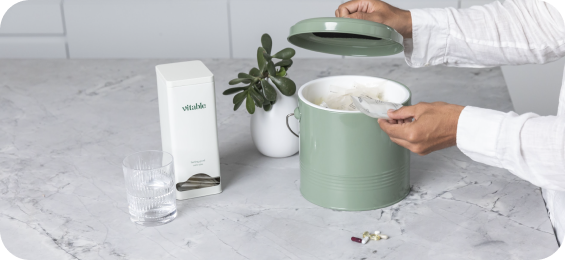
A beginner's guide to composting
A simple 3-step beginner's guide to composting, whether you have a garden or a small balcony.
Learn more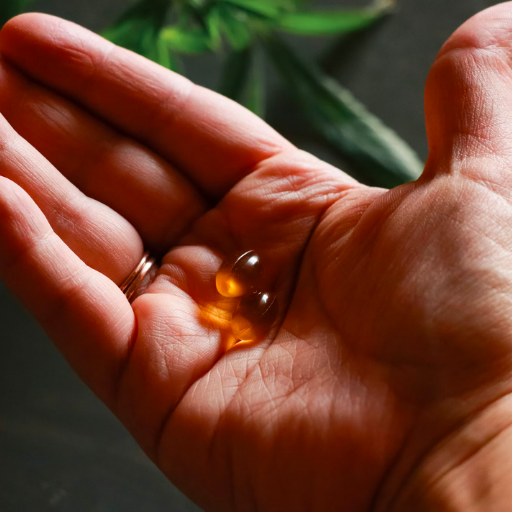
How to relieve pain after exercise
No pain no gain, is an oft quoted term. But it doesn't always ring true. Especially when pain after exercise is a prolonged issue! In which case, it's time to assess what you're doing. Working out is one of the many things you can do to stay active and boost your health. But have you ever experienced some soreness and pain right after exercising? Muscle pain and soreness after 1 to 2 days of working out is normal, and affects anyone, regardless of how fit they are (1). Read on to learn more about the causes and how to manage pain after exercise.What kind of pain are you feeling?Exercise can put a strain on your body that can cause some pain and soreness afterwards. There are several types of pain you may experience after a workout. Some of them are are listed below:Muscle painMuscle pain after exercise, also known as delayed onset muscle soreness (DOMS), happens when you make changes in your exercise routine such as increasing the duration or intensity of your workout (2).Knee painExercises such as running and jumping rope may cause knee pain after exercise, which can be caused by poor exercise form or irregular exercising (3).Chest painChest pain immediately after exercise is commonly caused by spasms of the lungs' small airways, which can cause sharp chest pains and difficulty in breathing (4).Joint painExperiencing joint pain after exercise is common due to repeated movements in workouts that can cause wear and tear to the joints (5).Although the sensation may be unpleasant, pain after exercise can be good for you. Pain after exercise is a result of microtears in the muscles or tendons, which will eventually repair to be stronger and more durable (1). However, if the pain is persistent and does not go away, consider seeing a doctor immediately (1).How to prepare for exercise painKeeping consistent healthy habits can make sure our body is ready for exercise. This includes listening to your body while working out, getting adequate, quality sleep and rest, and maintaining a healthy, well-balanced diet (5). Supporting your diet with supplements that can help strengthen your body against pain after exercise may help too. Here are some vitamins and minerals that you can consider:Vitamin CVitamin C can support your body after exercise by playing a role in the production of collagen. This protein makes up our skin, cartilages, tendons and ligaments (6). You may consider boosting your vitamin C consumption to aid your body in recovering after exercise (6).Fish OilRelieve inflammation and support nerve conduction in the body with fish oil, a source of omega-3 fatty acids that are necessary for body functions such as cell growth and healthy muscle activity (7).CranberryCranberry, commonly consumed as juice or through supplements, has anti-inflammatory and antioxidant qualities (8) that support joint cartilage health and supports connective tissue formation (9).CurcuminCurcumin, found in turmeric, has anti-inflammatory properties10 that can help relieve mild joint aches and pain after exercise (11).Staying active through regular exercise doesn't have to be a painful experience. Keep your body ready for after exercise pain with Vitable Vitamins. Customise your own multivitamin subscription per your unique requirements. These multivitamin packs can be tailored to your body's needs and lifestyle. Get your own vitamin delivery with Vitable now!*Always read the label and follow directions for use. If you experience any symptoms or if symptoms persist, talk to your health professional. Vitamin and/or mineral supplements should not replace a balanced diet.References: Cleveland Clinic Content Team. “Is There Such a Thing as ‘Good Pain' and When Should You Listen to Your Body?”. Cleveland Clinic: Health.Clevelandclinic.Org. Published October 9, 2020 on https://health.clevelandclinic.org/is-your-exercise-causing-good-or-bad-pain-how-to-tell/. Accessed February 6, 2022. Family Doctor Content Team. “Sore Muscles from Exercise. Family Doctor: Familydoctor.Org. Published June 9, 2020 on https://familydoctor.org/sore-muscles/. Accessed February 6, 2022. Nationwide Children's Content Team. “Why does my knee hurt?”. Nationwide Children's: Nationwidechildrens.Org. Published December 8, 2010 on https://www.nationwidechildrens.org/specialties/sports-medicine/sports-medicine-articles/why-does-my-knee-hurt-article. Accessed February 6, 2022. Cleveland Clinic Content Team. “Chest Pain in Young Athletes: When You Should Be Concerned”. Cleveland Clinic: Health.Clevelandclinic.Org. Published October 18, 2021 on https://health.clevelandclinic.org/chest-pain-in-young-athletes-when-you-should-be-concerned/. Accessed February 6, 2022. Cleveland Clinic Content Team. “Joint pain”. Cleveland Clinic: My.Clevelandclinic.Org. Published March 28, 2018 on https://my.clevelandclinic.org/health/symptoms/17752-joint-pain. Accessed February 6, 2022. Mount Sinai Content Team. “Vitamin C (Ascorbic Acid)”. Icahn School of Medicine at Mount Sinai: Mountsinai.Org. Published on https://www.mountsinai.org/health-library/supplement/vitamin-c-ascorbic-acid. Accessed February 6, 2022. Mayo Clinic Content Team. “Fish oil”. Mayo Foundation for Medical Education and Research: Mayoclinic.Org. Published December 8, 2020 on https://www.mayoclinic.org/drugs-supplements-fish-oil/art-20364810. Accessed February 6, 2022. Thimóteo, N. S. B., Iryioda, T. M. V., Alfieri, D. F., Rego, B. E. F., Scavuzzi, B. M., Fatel, E., Lozovoy, M. A. B., Simão, A. N. C., & Dichi, I. “Cranberry juice decreases disease activity in women with rheumatoid arthritis”. National LIbrary of Medicine: PubMed.Org. Published October 10, 2018 on https://pubmed.ncbi.nlm.nih.gov/30553231/. Accessed February 6, 2022. Basu, A., Schell, J., & Scofield, R. H. “Dietary fruits and arthritis”. US National Library of Medicine National Institutes of Health: Nih.Gov. Published January 24, 2019 on https://www.ncbi.nlm.nih.gov/pmc/articles/PMC5788027/. Accessed February 6, 2022. Hewlings, S., & Kalman, D. “Curcumin: A Review of Its Effects on Human Health”. US National Library of Medicine National Institutes of Health: Nih.Gov. Published October 22, 2017 on https://www.ncbi.nlm.nih.gov/pmc/articles/PMC5664031/. Accessed February 6, 2022. Daily, J. W., Yang, M., & Park, S. (2016). “Efficacy of Turmeric Extracts and Curcumin for Alleviating the Symptoms of Joint Arthritis: A Systematic Review and Meta-Analysis of Randomized Clinical Trials”. US National Library of Medicine National Institutes of Health: Nih.Gov. Published August 1, 2016 on https://www.ncbi.nlm.nih.gov/pmc/articles/PMC5003001/. Accessed February 6, 2022.
Learn more
How to thrive on a vegan diet
Is going vegan worth it?A vegan diet is mainly composed of plant-based foods, such as fruits, vegetables, grains, legume, nuts, and soy food products like tofu and tempeh. Going vegan means avoiding animal products such as meat, poultry, seafood, and dairy products, among others (1).If you intend to start or are already following a this diet, and want to learn more about how to thrive while on a vegan diet plan, then read on.Why go vegan?According to the Australian Dietary Guidelines draft, Australian adults need to increase their intake of grain foods in their diet by 30%, and increase the intake of high-fibre and wholegrain products by 160% (2). This shift in recommended dietary intake indicates the need to shift to a more plant-based diet, with priority on food items such as whole grains, fruits and vegetables, and legumes and nuts (2).If done correctly, there are several vegan diet benefits that can help keep you stay healthy: Plant-based diets limit the intake of oils, sugars and processed food commonly associated with animal-based products. Vegan diets require whole foods that can maximise the nutrition your diet provides, and remove foods that can lead to poor health from your day-to-day consumption (3). Vegan diets are generally lower in saturated fat and cholesterol, and are rich in vitamins, minerals, antioxidants and fibre. This can lower risk of diseases especially as we age (3). Adapting a vegan diet can also promote weight loss and reduce the amount of bad cholesterol in the body (3). However, it's important to note that a vegan diet plan must be well structured. A balanced vegan diet means completely removing animal products, which may not be as easy for everyone3. Removing animal products from your diet may also lead to deficiency in protein, and other vitamins and minerals that the body needs (3). Planning your vegan diet wellFollowing a vegan diet needs close monitoring of your intake of some specific nutrients which may not be as abundant in plant-based foods (1). Here are four essential nutrients that are commonly found in animal products, but may also be found in plant-based food, although to a smaller extent (1, 4).IronIron is present in plant-based foods such as legumes, tofu, nuts and seeds. However, this kind of iron is not as easily absorbed by the body as the iron found in animal foods (1). It helps to boost iron absorption in your vegan diet through vitamin C-rich fruits and vegetables such as berries, kiwi, tomatoes and broccoli (1). Vitamin B12While naturally found in animal products only, Vitamin B12 plays a role in the formation of red blood cells and in brain development (5). The best way for vegans to get vitamin B12 is through fortified foods, such as soy milks and veggie burgers or sausages (1).CalciumRemoving dairy products from your diet will also require a boost in sources of calcium in your diet, from other plant bases. Soy and almond milk, almonds, and leafy green vegetables such as kale and bok choy (1) are great places to start with if you choose to switch to a vegan diet plan.Omega-3 fatty acidsLastly, the body cannot produce omega-3 fatty acids which are essential fats that the body needs for various bodily functions (6). These fats are integral to the formation of cells in our body, and in producing the body's hormones (6). Followers of vegan diets can get omega-3 fats from walnuts, and soybean, as well as vegan marine omega-3 fat supplements (1).Remember to keep these nutrients in mind to avoid deficiency and to make sure your vegan diet plan is effective and good for you. While some of these nutrients can be found in other plant-based products, others may require an extra boost from supplements, which are also available in vegan options (1).If you are looking to change your lifestyle by adapting a vegan diet, or looking for tips on how to achieve a more balanced vegan diet, check out Vitable Australia, a daily vitamin subscription service available for delivery! Build your own vitamin pack with Vitable to suit your needs. With Vitable Australia's multivitamin packs, your balanced vegan diet may just be the right step towards a healthier you.*Always read the label and follow directions for use. If you experience any symptoms or if symptoms persist, talk to your health professional. Vitamin and/or mineral supplements should not replace a balanced diet.References: Dietitians Australia Content Team. “Vegan diets: everything you need to know”. Dietitians Australia: Dietitiansaustralia.org. Published March 2018 on https://dietitiansaustralia.org.au/smart-eating-for-you/smart-eating-fast-facts/healthy-eating/vegan-diets-facts-tips-and-considerations/. Accessed February 7, 2022. Grains, Legumes and Nutrition Council Content Team. “Plant-based nutrition”. Grains, Legumes and Nutrition Council: Glnc.Org.Au. Published June 5, 2012 on https://www.glnc.org.au/plant-based-nutrition/. Accessed February 7, 2022 Cleveland Clinic Content Team. “What You Should Know About Plant-Based Diets”. Cleveland Clinic: Health.Clevelandclinic.Org. Published October 18, 2020 on https://health.clevelandclinic.org/is-a-plant-based-diet-right-for-you/. Accessed February 7, 2022. Zhang, Y., Ng, K., and Aljoini, S. “Switching to a plant-based diet? Keep an eye on your micronutrients”. University of Melbourne: Pursuit.Unimelb.Edu.Au. Published October 9, 2019 on https://pursuit.unimelb.edu.au/articles/switching-to-a-plant-based-diet-keep-an-eye-on-your-micronutrients. Accessed February 7, 2022. Harvard T.H. Chan School of Public Health Content Team. “Vitamin B12”. Harvard T.H. Chan School of Public Health: Hsph.Harvard.Edu. Published June 4, 2019 on https://www.hsph.harvard.edu/nutritionsource/vitamin-b12. Accessed February 7, 2022. Harvard T.H. Chan School of Public Health Content Team. “Omega-3 Fatty Acids: An Essential Contribution”. Harvard T.H. Chan School of Public Health: Hsph.Harvard.Edu. Published April 29, 2008 on https://www.hsph.harvard.edu/nutritionsource/what-should-you-eat/fats-and-cholesterol/types-of-fat/omega-3-fats/. Accessed February 7, 2022.
Learn more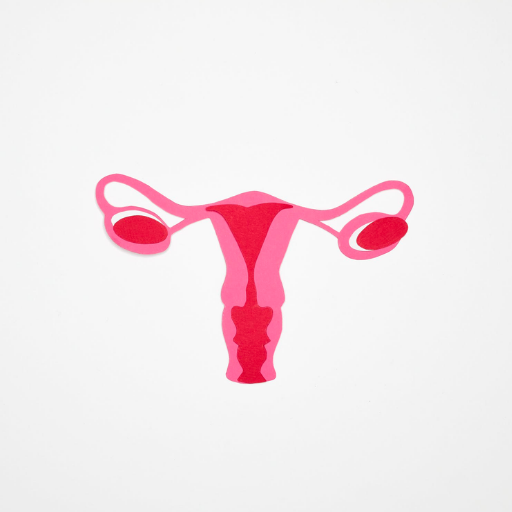
Expert tips on preserving female fertility
In couples or individuals trying to start a family or get pregnant, fertility is the top priority. It is defined as the natural ability to conceive, and it depends upon a few crucial factors.In females, healthy eggs, unobstructed fallopian tubes, and the egg's ability to implant in the uterus are necessary. In males, healthy sperm is needed. For those experiencing difficulty conceiving or are simply not yet ready, female fertility preservation options are available (1).Fertility is never guaranteed. In females, blocked fallopian tubes could be caused by unchecked sexually-transmitted infections or even complications arising from unsafe abortions, postpartum sepsis or pelvic or abdominal surgery. Uterine disorders such as endometriosis or fibroids; ovary disorders such as polycystic ovary syndrome (PCOS); and endocrine system disorders leading to an imbalance of reproductive hormones, could all contribute to infertility (2).Fertility preservation methodsEven in the absence of these, there may still be roadblocks to conception, like undergoing cancer therapy, advancing age, autoimmune diseases and metabolic conditions. In such instances, female fertility preservation can help with getting one pregnant (3).Freezing an egg or embryoFreezing an oocyte, or egg, can be the path taken when a female is not yet ready or at a place in their life to get pregnant but wants to make sure they still can later in life (4). Embryo freezing is similar: eggs taken from ovaries will be fertilised with sperm from a partner or donor and grown for a few days before freezing. These can later be used for technologies such as in-vitro fertilisation (5).Ovarian tissue freezingAnother method is ovarian tissue freezing. Here, the ovarian cortex, the egg-producing part of the ovary, is removed. This can be transplanted later in life to enable pregnancy. This also makes hormone production possible, since damaged ovaries cannot do so. This is especially beneficial for persons undergoing gender affirmation surgery (6).Improving female fertilityCertain conditions and lifestyle choices do affect female fertility preservation. For instance, obese or overweight women with PCOS may have a harder time conceiving (7). PCOS is a hormonal disorder where women experience irregular or prolonged periods. The ovaries develop fluid-filled follicles, or cysts, and do not release eggs regularly. It is characterised by irregular periods, physical manifestation of excess male hormones (excess facial or body hair, severe acne, male-pattern baldness) (8).On the flip side, being underweight too, is associated with ovarian problems and infertility.However, these can be alleviated through the following efforts (9): Moderate exercise: too much or overly intense workouts may affect the frequency or regularity of your period and thereby impair fertility. Proper weight maintenance: being over or underweight impacts hormone production and leads to infertility. Quitting smoking, alcohol and substance abuse, and limiting caffeine intake. Limiting medications affecting fertility: it is best to consult with your doctor regarding this. Female fertility preservation plays a role in ensuring that women, single and partnered alike, can keep their options open for having children. This allows women undergoing treatments like cancer therapy or those who have underlying conditions get pregnant, when otherwise they would not be able to. Making healthier lifestyle choices also has much to do with improving fertility. Vitamins and minerals can help keep your nutrient levels high as you embark on your fertility journey. Try Vitable vitamins. Get a monthly vitamin subscription to obtain your own personalised vitamin packs, tailored to your specific health needs. Make use of our vitamin delivery service to get the best vitamin packs brought right to your doorstep.*Always read the label. Follow the directions for use. If symptoms persist, talk to your health professional. Vitamin and/or mineral supplements should not replace a balanced diet.References: “What Is Fertility?” American Pregnancy Association. Published on https://americanpregnancy.org/getting-pregnant/infertility/what-is-fertility/. Accessed 22 Jan 2022. “Infertility - Fact Sheet.” World Health Organization. Published 14 Sept 2020 on https://www.who.int/news-room/fact-sheets/detail/infertility. Accessed 22 Jan 2022. Hussein, RS, et. al. “Fertility Preservation in Women: Indications and Options for Therapy.” Mayo Clinic Proceedings. Published 1 Apr 2020 on https://doi.org/10.1016/j.mayocp.2019.10.009. Accessed 22 Jan 2022. “Egg freezing.” Mayo Clinic. Published 23 Apr 2021 on https://www.mayoclinic.org/tests-procedures/egg-freezing/about/pac-20384556. Accessed 22 Jan 2022. “Freezing Embryos.” Johns Hopkins Medicine. Published on https://www.hopkinsmedicine.org/health/treatment-tests-and-therapies/freezing-embryos. Accessed 22 Jan 2022. “Ovarian Tissue Freezing (Cryopreservation).” Johns Hopkins Medicine. Published on https://www.hopkinsmedicine.org/health/treatment-tests-and-therapies/ovarian-tissue-freezing-cryopreservation. Accessed 22 Jan 2022. “What lifestyle and environmental factors may be involved with infertility in females and males?” National Institute of Child Health and Human Development. Published 31 Jan 2017 on https://www.nichd.nih.gov/health/topics/infertility/conditioninfo/causes/lifestyle/. Accessed 22 Jan 2022. “Polycystic ovary syndrome (PCOS).” Mayo Clinic. Published 3 Oct 2020 on https://www.mayoclinic.org/diseases-conditions/pcos/symptoms-causes/syc-20353439. Accessed 22 Jan 2022. “Tips to improve fertility.” Mayo Clinic Health System. Published on https://www.mayoclinichealthsystem.org/hometown-health/speaking-of-health/tips-to-improve-fertility#:~:text=Avoid%20drug%20and%20tobacco%20use%20and%20excessive%20alcohol,a%20balanced%20diet%20and%20maintain%20a%20healthy%20weight. Accessed 22 Jan 2022.
Learn more
All you need to know about male fertility and how to improve it
When couples decide to start a family, the topic of fertility takes center stage. In some cases however, one or both partners might be affected by fertility issues. In these cases, there might be a problem with the woman or man's reproductive system. One of the most common fertility issues In men is sperm health and quality. InfertilityInfertility affects a male or female's ability to get pregnant even after at least 12 months of having unprotected sex. This presents itself differently in the male and female reproductive systems (1).In males, infertility could be caused by issues of semen ejaculation, the absence of sperm or small amounts of sperm, or else the abnormal shape and movement of sperm. Meanwhile in females, it could be brought about by abnormalities in the ovaries, fallopian tubes, uterus and the endocrine system (which deals with one's hormones) (1). Note that there is also secondary infertility, which pertains to infertility after at least one prior achieved pregnancy (1).Male infertilityThe main sign of infertility in males is an inability to conceive; other than that, there are no other apparent signs (3). Men suffering from this might also experience difficulties in sexual function. They may have a hard time ejaculating or else produce only a small volume of semen; experience lowered sex drive; or erectile dysfunction (difficulty maintaining an erection). There may be swelling or pain in the testicular area; repeated occurrence of respiratory infections; inability to smell; abnormal growth in the breast; reduced facial or body hair; and a sperm count lower than normal (less than 15 million per milliliter or less than 39 million per ejaculation) (3).Causes of male infertilityInfertility may be caused by obstructions in the male reproductive tracts (such as the ejaculatory ducts or the seminal vesicles), thereby impacting ejaculation. Hormonal disorders may also cause anomalies in hormones produced by the pituitary gland, hypothalamus and the testicles. The hormone testosterone, for instance, controls sperm production. Other causes may be a failure of the testes to produce sperm or an abnormality in sperm function and quality (1).The pituitary gland, or master gland, regulates the function of other glands, including the thyroid, adrenals, as well as the ovaries and testes (2).Underlying issues that trigger male infertility include inherited disorders, hormonal imbalances or dilated veins surrounding the testicles (3), and other considerations.VaricocelesA varicocele, or abnormally dilated veins in the scrotum (sac protecting the testicles and blood vessels), is often associated with male infertility, reduced production of testosterone and scrotal discomfort. It affects sperm health in that it sometimes causes azoospermia, wherein no sperm is present in ejaculated semen (4).When values in the testicular veins do not function as they should, gravity forces blood to collect in the scrotum. It affects testosterone levels, although only rarely do they drop down to severely low levels. In those cases however, varicoceles may give rise to complications such as metabolic syndrome, diabetes and osteoporosis (4).However, varicoceles are common and do not usually pose a danger. It affects 15% of adult men, and in the 20% of adolescents that have them, a small portion will resolve on their own. Eighty percent of men with varicoceles are also able to conceive with their partners, but they are more common in men who have already fathered at least one child, and are currently having difficulty conceiving (4).Retrograde ejaculationThis occurs when semen goes back inside the body and into the bladder during ejaculation. It happens when nerves and muscles do not close during orgasm. This may be caused by previous surgery, certain medications and issues in the nervous system. It is characterised by cloudy urine after ejaculation and ‘dry' ejaculation, or less fluid ejaculated (5).Immunologic infertilitySperm health is affected when antibodies in a man's body attack them, making it difficult for sperm to swim through the fallopian tubes and fuse with an egg. Fortunately, this is an uncommon occurrence (5).Abnormalities in chromosomesA change in the number and structure of chromosomes can impact fertility such as a deviation in Y chromosome, which the male partner contributes to DNA makeup (5).HyperprolactinemiaWhen the pituitary gland produces too much prolactin, it could lead to infertility and erectile dysfunction (5). Prolactin is a hormone present in both men and women. In women it triggers lactation after childbirth so mothers can breastfeed (9).Hypogonadotropic hypogonadismThis condition causes testicles to not create sperm due to poor stimulation by the pituitary hormones (5).Treatments for these conditions include surgical procedures, but it is best to talk with your healthcare provider about options open to you.How to improve sperm healthA study6 confirmed that smoking, drinking alcohol, taking illicit drugs, obesity, psychological stress, dietary choice and advanced paternal age could negatively impact male fertility. Making changes with regard to these practices could increase chances of conception (6).Other ways to improve sperm health are: maintaining proper weight; eating foods rich in antioxidants; preventing sexually-transmitted infections; managing stress; engaging in physical activity; avoiding toxins (e.g., pesticides); preventing increased scrotal temperature (7).Zinc for sperm healthThis trace element maintains reproductive health by acting as an antioxidant, particularly in men. It fights heavy metals and inflammatory agents in cigarettes. It balances hormones, specifically testosterone and prostate. It protects sexual health by acting as an antibacterial agent in men's urinary systems. It also maintains the lining of reproductive organs (8).This element is found in nuts, legumes, seafood, fortified cereals, low-fat yogurt, and animal-derived proteins; eating such foods can improve the proliferation of germinal cells, which give rise to gametes, or reproductive cells. A deficiency in zinc may then affect sperm health.Research (8) cites that zinc can lessen testis injury from stresses brought on by heavy metals, fluoride and heat. It is also necessary for the normal function of the hypothalamus-pituitary-gonadal axis, which, as earlier discussed, controls the reproductive glands. The element helps the release of thyroid-releasing hormones. If the thyroid is low in zinc, it may not produce enough hormones, which in turn can affect testosterone levels (8).The prostate has high levels of zinc, which regulates the function of mature sperm cells. It serves as a cofactor for certain enzymatic reactions that help in preserving sperm motility, due to the high concentration of zinc in the tail of mature sperm (8).Not only is zinc highly important in spermatogenesis and testis development, but it has also been found to be significant for conception, implantation and pregnancy outcome (8).You can get Zinc, along with all the vitamins and nutrients you require for your specific health needs as supplements. Looking for the only personalised vitamin packs in Australia? Get your personalised supplements from Vitable. Vitable lets you take out a monthly vitamin subscription, with a vitamin delivery service to bring your packs to your doorstep.*Always read the label. Follow the directions for use. If symptoms persist, talk to your health professional. Vitamin and/or mineral supplements should not replace a balanced diet.References: “Infertility - Fact Sheet.” World Health Organization. Published 14 Sept 2020 on https://www.who.int/news-room/fact-sheets/detail/infertility. Accessed 22 Jan 2022. “What is the pituitary gland?” The Pituitary Foundation. Published on https://www.pituitary.org.uk/information/what-is-the-pituitary-gland/. Accessed 22 Jan 2022. “Male infertility.” Mayo Clinic. Published 13 Apr 2021 on https://www.mayoclinic.org/diseases-conditions/male-infertility/symptoms-causes/syc-20374773. Accessed 22 Jan 2022. “Varicocele.” Johns Hopkins Medicine. Published on https://www.hopkinsmedicine.org/health/conditions-and-diseases/varicocele. Accessed 22 Jan 2022. “Male Infertility.” Urology Care Foundation. Published on https://www.urologyhealth.org/urology-a-z/m/male-infertility. Accessed 22 Jan 2022. Durairajanayagam, D. “Lifestyle causes of male infertility.” Arab Journal of Urology. Published 18 Mar 2019 on 10.1016/j.aju.2017.12.004. Accessed 22 Jan 2022. “Getting pregnant.” Mayo Clinic. Published 25 Apr 2020 on https://www.mayoclinic.org/healthy-lifestyle/getting-pregnant/in-depth/fertility/art-20047584. Accessed 22 Jan 2022. Fallah, A, Mohammad-Hasani, A & Colagar AH. “Zinc is an Essential Element for Male Fertility: A Review of Zn Roles in Men's Health, Germination, Sperm Quality, and Fertilization.” Journal of Reproduction & Infertility. Published Apr-Jun 2018 on https://www.mayoclinic.org/healthy-lifestyle/getting-pregnant/in-depth/fertility/art-20047584. Accessed 22 Jan 2022. “What does Prolactin Do?” Hormone Health Network. Published Nov 2018 on https://www.hormone.org/your-health-and-hormones/glands-and-hormones-a-to-z/hormones/prolactin. Accessed 22 Jan 2022
Learn more
5 Strength training tips to maximise your workouts
Physical activity, including strength training, is a significant part of having a healthy lifestyle. But what exactly is strength training? Also, how can we maximise our gains from our workouts? In this article, we're pointing out some tips to help you get the most out of your exercises.What is strength training?Before we get started, let's first wrap our heads around what strength training is. Strength training is the repeated performance of a physical activity that is designed to improve your strength or endurance (1,2,3). Usually, when people think of strength training, they imagine going to the gym and sweating a lot. The truth, however, is that strength training covers a myriad of activities and exercises. Here are some examples of what falls under the strength training workouts (1):Body weight exercisesOur body, with the help of gravity, can actually be a tool to help build our strength and endurance. With no equipment whatsoever besides our flesh and bones, we can do exercises, such as push-ups, squats, pull-ups, planks, and a whole host of movements to get our muscles going. Once our body adapts to a certain movement, we simply need to increase the difficulty by adjusting the strain it puts on our bodies.Resistance band trainingResistance training is another inexpensive way to develop our strength. With this method, we build our strength and endurance by making our body work against the resistance of a band or tube. Much like body weight exercises, we can pretty much do this anywhere with enough space to push and pull our bands.Free weightsThis is probably what most people think of when they hear the word strength training workouts. With this method, we make use of external weights through barbells, medicine balls, kettlebells and dumbbells to build up our strength. Free weights are great because they allow us to work through a large group of muscles with the use of compound movements. One of the few downsides, however, is that you need enough space to move and for all your equipment to fit.Weight machinesUnlike free weights, weight machines are great at targeting specific muscles in your body. Most gyms or fitness centers have all the latest machines in their stable. While machines are a great way to build muscle, they are often unwieldy and expensive so maybe visiting a gym might be better if this is an option for you.These are just a few examples of strength training workouts. Consult your trainer as to what method might be best depending on your fitness level, needs, goals, and resources.Benefits of strength trainingStrength training has many benefits. Besides improving overall health, here are some reasons why you should consider doing it (1,2,3):It improves bone strengthWhen you introduce stress to your bones, this forces it to adapt and get stronger (7). Strength training is a great way to improve posture and reduce bone decay as we age (8).It helps manage weightIncreased physical activity also means an increased metabolism. Thus, strength training can help you manage or lose weight (9).It promotes good overall health and quality of lifeStrength training just improves your lifestyle overall. From protecting your joints from injury to giving you that energy to climb all those flights of stairs, strength training enhances your ability to do everyday things (10).It helps improve pre-existing conditionsSome pre-existing conditions might actually be alleviated by doing some exercise. While it cannot fully heal the condition, it can certainly help manage life with it. Consult your doctor if you have pre-existing conditions and you think that strength training can help with it.It helps improve confidence and overall moodStrength training is a great way to get your daily dose of endorphins. Plus, it will also improve your physique, which might lead to a more positive self-image about yourself.How can I maximise strength training?Now that we have a good idea of what strength training is, how exactly do we make sure we're always getting the most out of our workouts? Here are a few tips (4, 5):Never forget to warm-up and stretchIf you're intending to introduce a lot of stress to your bones and muscles, then you better make sure that your body is ready to take it. Warming up and stretching reduces the risk of injury and also ensures better performance and results during your workouts (11).ConsistencyOne of the few things people forget about strength training is that it should be consistent. Our bodies are built to adapt. While this means it gets stronger with more stress, it also means that it eases and relaxes when there is none. One surefire way to maximise results is to be diligent in keeping your schedule.Study proper formIf you're not doing the movements and exercises properly, then you might as well not do them at all. The better you are at executing proper form, the better results you will see. In addition, improper form makes us more prone to injury and certainly does more harm than good. RestOur bodies can only take so much. There will come a point where we'll see diminishing returns if we overdo it and keep going when we clearly shouldn't. Allow your body time to rest, recover, and get stronger. Always remember that recovery is part of the routine.NutritionThis can't be stressed hard enough. No matter how hard we go with our workouts, if we're not eating properly it's practically useless. Our bodies can only make something out of what we give it. Make sure you're hitting your macros, avoiding junk, as well as getting our daily dose of essential vitamins and minerals.When it comes to essential vitamins and minerals, we should pay attention to our magnesium intake. Magnesium is vital for building muscles because it supports energy production, bone health, as well as helps reduce the occurrence of muscle spasms (6).If you're on the lookout for a good magnesium supplement, then Vitable's Magnesium supplements might be the go-to choice for you. Vitable's Magnesium supplement is easily absorbed by the body, so that you get it when you need it.Whether you're just looking to lose some weight or working towards a stronger body, the benefits of strength training can't be ignored. Make sure to keep in mind our tips so you always get the most when you work out.Are you considering taking magnesium supplements? If so, checkout Vitable Australia! They have the best vitamin subscription service that offers custom vitamins. With Vitable, you can mix and match your daily vitamins to cater to your health goals and needs. They also have a vitamin delivery service that conveniently brings your packs to your doorstep.*Always read the label. Follow the directions for use. If symptoms persist, talk to your health professional. Vitamin and/or mineral supplements should not replace a balanced diet.References: Strength Training: Get Stronger, Healthier, Leaner (2021) Researched Jan 9, 2021 from https://www.mayoclinic.org/healthy-lifestyle/fitness/in-depth/strength-training/art-20046670 Resistance Training - Health Benefits (n.d.) Researched Jan 9, 2021 from https://www.betterhealth.vic.gov.au/health/healthyliving/resistance-training-health-benefits Want to Lose Weight? Build Muscle (2020) Researched Jan 9, 2021 from https://health.clevelandclinic.org/build-muscles-lose-weight-by-adding-strength-training-to-your-workout/ Weight Training: Do's and Don'ts of Proper Technique (2020) Researched Jan 9, 2021 from https://www.mayoclinic.org/healthy-lifestyle/fitness/in-depth/weight-training/art-20045842 8 Tips for Safe and Effective Strength Training (2018) Researched Jan 9, 2021 from https://www.health.harvard.edu/staying-healthy/8-tips-for-safe-and-effective-strength-training Magnesium (2001) Researched Jan 9, 2021 from https://lpi.oregonstate.edu/mic/minerals/magnesium https://www.ncbi.nlm.nih.gov/pmc/articles/PMC5601257/ Feb 2022 https://www.bones.nih.gov/health-info/bone/bone-health/exercise/exercise-your-bone-health Feb 2022 https://www.healthline.com/nutrition/does-exercise-cause-weight-loss#strength-training Feb 2022 https://hr.duke.edu/wellness/exercise-fitness/take-stairs/benefits-taking-stairs Feb 2022 https://www.ncbi.nlm.nih.gov/pmc/articles/PMC5833972/ Feb 2022
Learn more
All you need to know about muscle spasms
Almost everyone has experienced muscle cramps or spasms at least once in their life. While generally harmless, muscle cramps cause quite an inconvenience and are often quite painful. Read on to find out everything you need to know about muscle spasms. What are muscle spasms?Muscle spasms or cramps are the sudden and painful tightening or contraction of your muscles (1,2,3,4). People who have experienced muscle spasms describe them as uncomfortable twitches that range from mild to intense. Consequently, the pain that they produce also varies from mild discomfort to severe pain. Cramps are common, involuntary, and often, unexpected. Most cases of cramps generally last for a few minutes. These spasms or cramps are typically harmless, though they do cause some mild discomfort because of the temporary pain they produce. The exact cause behind spasms is yet to be determined. However, some risk factors, such as age, poor posture and/or general poor physical condition, are believed to trigger the twitches (6). What causes muscle spasms?As stated earlier, the exact cause of a muscle spasm is still unknown. However there are some factors that can increase the risk of having them (1,2,3,4). Inadequate blood supplyWhen the arteries that deliver blood to your muscles narrow, they might lead to muscle cramps and pain (7). Usually, this occurs when you are exercising or doing intense movements (8). Nerve compressionThe compression (pinching) of nerves in your spine might lead to muscle cramps (9).Micronutrient deficiencyDeficiency in essential minerals in your diet, like magnesium, might lead to muscle cramps (10). Lack of stretchingMuscle cramps are more likely to occur when the body is stiff (12). Daily stretching can decrease the chances of experiencing muscle cramps (11). Tired musclesAfter a grueling workout, your muscles are more likely to spasm due to a myriad of reasons (13). Factors such as lack of blood supply, dehydration, or even nerve compression, are thought to be the cause (14).DehydrationAs mentioned earlier, lack of water in your body might lead to muscle spasms (15). Muscles tend to be stiff and sore when they lack water (16). Exercising in the heatPhysical activity under the sweltering sun might cause muscle cramps (17). Working out in the heat can lead to dehydration and general muscle fatigue, two factors that may lead to muscle spasm (18). Long periods of inactivitySitting for too long or even simply retaining an unnatural posture for too long can lead to muscle cramps. This can specifically cause muscle cramps in your legs (19).What should I watch out for?Muscle spasms vary in intensity. This means that for some, it can just feel like a mild, uncomfortable twitching on your sides. While to others, the pain can be debilitating. Usually, it's hard to touch the area experiencing the spasm (2). One important thing to keep in mind is that muscle spasms are sudden and often come without warning.Conditions that predispose a person to muscle spasmsThere are some risk factors when it comes to muscle spasms. These factors might increase the risk of you experiencing cramps. Here are some of them (1,2,3,4):AgeAs people age, they tend to be more susceptible to experiencing cramps. This is because we are likely to lose muscle mass as we age. This causes the remaining muscles to be overstressed as they need to carry more load (20).Line of work/habitAthletes or people often involved in sports, especially when they stay too long in the heat, are more likely to experience spasms due to muscular fatigue and dehydration (16). PregnancyPregnant women are more likely to experience muscle spasms or cramps. This is why many pregnant women complain about muscle spasms in legs (21). Other medical conditionsSome medical conditions can cause you to be more likely to experience muscle cramps. Consult your doctor if your pre-existing conditions put you at a higher risk (22).Muscle spasm treatmentGenerally, muscle spasms go away on their own after a few minutes. Some treatments or methods however might help provide relief from the pain or might expedite healing. Here are some of those (1,2,3,4). Stretching and massagingSlowly and lightly stretching the affected muscles can help alleviate pain and hasten recovery. Consult a doctor or professional on how to properly stretch and massage the affected parts. Ice packApplying an ice pack to the affected area can help the muscle cramp subside quicker (23).MedicationSome medicines can help alleviate the pain and control the cramping of your muscles (24).If the cramps are taking too long or you are feeling a tremendous amount of pain, head to an emergency room or immediately consult your doctor.How to prevent muscle spasms Here are some daily activities you can do to help prevent muscle cramps (1,2,3,4):Daily stretchingDaily stretching helps keep the body limber and stops it from becoming stiff.HydrateAlways make sure to drink water, especially when you are outdoors or are doing intense physical activities like sports or working out.Take proper vitamins and mineralsMake sure that you are taking adequate amounts of essential vitamins and minerals either from your food or supplementation when your diet is inadequate. Magnesium for example is important in a lot of our body's processes. Magnesium, particularly, helps in the relaxation and contraction of our muscles (5). Deficiency in magnesium might lead to an increased instance of cramps.If you are on the hunt for a suitable magnesium supplement, Vitable's Magnesium supplements are a good choice since they not only help relieve muscle cramps but also help reduce their occurrences as well.Muscle spasms often happen once in a blue moon and when they do, they are generally harmless. Nevertheless, it helps to be equipped with the knowledge of how to deal with them when they do occur. Are you looking for a vitamin delivery service in Australia that covers your magnesium needs? Consider Vitable Vitamins! Their vitamins subscription provides you with a custom vitamins pack that not only gives you magnesium. You can also mix and match to come up with your daily vitamins!*Always read the label. Follow the directions for use. If symptoms persist, talk to your health professional. Vitamin and/or mineral supplements should not replace a balanced diet.References: Muscle Cramp (n.d.) Researched Jan 8, 2022 from https://www.betterhealth.vic.gov.au/health/conditionsandtreatments/muscle-cramp Muscle Cramp (2021) Researched Jan 8, 2022 from https://www.mayoclinic.org/diseases-conditions/muscle-cramp/symptoms-causes/syc-20350820 Muscle Spasms (2021) Researched Jan 8, 2022 from https://my.clevelandclinic.org/health/diseases/15466-muscle-spasms Muscle Cramps (2021) Researched Jan 8, 2022 from https://medlineplus.gov/musclecramps.html Magnesium (2001) Researched Jan 8, 2022 from https://lpi.oregonstate.edu/mic/minerals/magnesium https://physioprofessionals.com.au/poor-posture-contributing-muscle-joint-problems/ Feb 2022 https://www.mayoclinic.org/diseases-conditions/muscle-cramp/symptoms-causes/syc-20350820 Feb 2022 https://orthoinfo.aaos.org/en/diseases--conditions/muscle-cramps#:~:text=Heat%2C%20Dehydration%2C%20and%20Electrolyte%20Depletion,cause%20a%20muscle%20to%20spasm. Feb 2022 https://www.mayoclinic.org/diseases-conditions/pinched-nerve/symptoms-causes/syc-20354746 Feb 2022 https://www.healthline.com/nutrition/magnesium-deficiency-symptoms#:~:text=Twitches%2C%20tremors%20and%20muscle%20cramps,the%20muscle%20nerves%20(%207%20). Feb 2022 https://www.mayoclinic.org/diseases-conditions/muscle-cramp/diagnosis-treatment/drc-20350825 Feb 2022 https://my.clevelandclinic.org/health/symptoms/21190-muscle-cramps feb 2022 https://www.ncbi.nlm.nih.gov/pmc/articles/PMC6901412/ Feb 2022 https://medlineplus.gov/musclecramps.html Feb 2022 https://www.medicinenet.com/muscle_spasms/article.htm Feb 2022 https://dynamicmedicalfitness.com/blog/dehydration-tight-muscles Feb 2022 https://www.ncbi.nlm.nih.gov/pmc/articles/PMC6901412/ Feb 2022 https://www.healthline.com/health/heat-cramps Feb 2022 https://healthmatters.nyp.org/is-too-much-sitting-harming-your-body/ Feb 2022 https://muschealth.org/medical-services/geriatrics-and-aging/healthy-aging/cramps-and-spasms feb 2022 https://americanpregnancy.org/healthy-pregnancy/pregnancy-health-wellness/muscle-cramps-during-pregnancy/ Feb 2022 https://my.clevelandclinic.org/health/symptoms/21190-muscle-cramps#:~:text=Muscle%20cramps%20can%20be%20a,circulation%20problems%20and%20liver%20disease. Feb 2022 https://www.urmc.rochester.edu/encyclopedia/content.aspx?contenttypeid=85&contentid=p00918 Feb 2022 https://www.medicinenet.com/muscle_cramps/article.htm Feb 2022
Learn more
Feeling tight? Sign and symptoms of muscle tension and how to relieve it
Are episodes of semi-contracted muscles, stiffness and body aches becoming a common scenario? This could be the effect of muscle tension—a condition where, at first, our muscles stay partially contracted for a period of time. However, if not addressed early on, it could lead to more serious chronic pain and other health problems (9).Mainly, this contraction in the muscles happens due to stress (1), whether physical, mental, or emotional. While we cannot ignore different stressors that we encounter in our daily lives, recognising the signs and tackling the problem head on is a worthwhile solution to keep your body in tip top condition.Why do we get muscle tension?Our reflexes subconsciously signal to our body, when they are posed with danger. Bouts of anxiety and stress may be the reasons why we tend to feel stiffness and aches as the body responds to this threat (2). Long-term feelings of unease direct our muscles to become tense, resulting in muscle tension.Usually, our body goes into a “fight or flight” state whenever we encounter stressful situations (2). As our body prepares to counter the incoming possible threat, it naturally causes us to tighten up and build tension.Similarly, extreme physical activity, which could highly impact our body's condition, as well as repetitive tasks which work only certain groups of muscles, could develop into bodily tension that's much more severe.How do we recognise muscle tension?While checking in on our physical, mental, and emotional conditions for signs of a developing muscle tension may sound easy, it isn't always the case. Stiffness and body aches are major things to watch out for, but the theory of sensory-motor amnesia states that one may fail to recognise these red flags if the body has not been exposed to a healthy state of relaxation. In order to have a clearer picture, think about your daily activities and try to point out whether you're going through the following: Stress and mild anxiety Constant movement and exercise Repetitive motion and positions If you find yourself saying yes to any or all of the above, it's time that you apply proper care and treatment to avoid further damage to your muscles and overall health.How to treat muscle tensionLiving stress-free to avoid muscle tension symptoms is not a realistic route—however, a shift in attitude, mindset and regular self-care practices could do wonders to ease up whatever tension build up you may have. Through a handful of techniques, you will be able to take the load off your shoulders, one day at a time. Start small, turn this into a habit, and make your health a top priority!Manage your stress and mild anxietyThe first thing that you should do is to uproot the cause of it all: stress and mild anxiety. There are various ways to relieve oneself of these problems, such as breathing exercises, turning to hobbies that clear and calm the mind, getting a sniff of therapeutic scents such as peppermint or lavender, or even taking frequent mental health breaks.There are also scientifically approved techniques that help manage stress and anxiety effectively. Progressive Muscle Relaxation (PMR), for one, strategically works your muscle groups in a certain order (3). It involves tensing up your muscles when you breathe in, and relaxing your muscles as you breathe out.Meanwhile, Autogenic Training (AT) requires 15 minutes of your time daily, using a repeated set of visualisations that promotes a state of tranquility (4). It is said to balance one's sympathetic and parasympathetic areas of the nervous system (10). This technique is used to improve blood pressure, heart rate, and the immune system.Practicing yogaThe Hindu practice of yoga is an effective method to incorporate ease into your routine (5). Apart from helping one in stress management, it also carries more benefits through continuous practice, like strength and balance improvement, energy boost, and treatment for other health issues.There are tons of options to get started on a regular yoga practice. You may find an instruction to guide you into settling in your mat in person or through a virtual class. You can also sign up to group classes if you prefer having company and a constant community presence that offers support in your journey. If you like to keep to yourself and practise at home, there are several YouTube classes that feature free yoga videos that you can try.Getting a massageIt isn't a secret that a massage is one of the best ways to unwind. Massage therapy helps relax tight muscle tissue, which may reduce spasms and painful contractions, as well as nerve compression (6). If you can, book a treatment with your massage therapist every so often, or try performing self-massage.Make sleep a priorityTaking time to reset your body overnight assists your body to recuperate (7). Try to clock in eight hours (11) of sleep every night and have an even more restful slumber by making your bedroom more conducive for the activity. Make your bed more comfortable, light up scented candles, turn on ambient music, and keep away distractions an hour before bedtime to set the mood for a great snooze. Consider magnesiumA healthy diet equates to a healthy body. But an even better solution: finding specific products that assist in certain health problems. Magnesium carries a ton of good-for-you benefits, such as maintenance of energy levels and refreshing sleep, assisting in muscle health and refreshing sleep.More importantly, it is known to support and maintain muscle health and muscle relaxation. Magnesium supports muscular health by helping with muscle relaxation and contraction. It has been found to be effective in treating leg muscle cramps (8). On the other hand, a lack of magnesium may lead to muscle weakness, spasms, and cramps (12). The best part is that it maintains and supports the neuromuscular system, its function as well as the cognitive and mental function, making it a great supplement for those who are finding ways on how to relieve muscle tension.Aside from these self-care practices, taking vitamin packs is a great way to support your healthy and well-rounded diet. Vitable, a vitamin subscription with personalised vitamins in Australia, will help support your journey towards living healthy with lesser worries about muscles!*Always read the label. Follow the directions for use. If symptoms persist, talk to your health professional. Vitamin and/or mineral supplements should not replace a balanced diet.References: Deborah Christensen. “Learn to Recognize and Release Muscle Tension.” News, Views, and Advocacy From the Oncology Nursing Society: voice.ons.org. Published on https://voice.ons.org/news-and-views/learn-to-recognize-and-release-muscle-tension. Accessed on January 20, 2022. American Psychological Association. "Stress effects on the body". Published on https://www.apa.org/topics/stress/body. Accessed on January 26, 2022. Healthwise Staff. “Stress Management: Doing Progressive Muscle Relaxation.” University of Michigan Health: uofmhealth.org. Published on https://www.uofmhealth.org/health-library/uz2225. Accessed on January 20, 2022. The University of Melbourne. “Autogenic training exercise.” The University of Melbourne: unimelb.edu.au. Published on https://services.unimelb.edu.au/counsel/resources/guided-exercises/autogenic-training. Accessed on January 20, 2022. John Hopkins Medicine. “9 Benefits of Yoga.” John Hopkins Medicine: hopkinsmedicine.org. Published on https://www.hopkinsmedicine.org/health/wellness-and-prevention/9-benefits-of-yoga. Accessed on January 20, 2022. Burgan, B., "How Does Massage Work?". University of Minnesota. Published on https://www.takingcharge.csh.umn.edu/explore-healing-practices/massage-therapy/how-does-massage-work. Accessed on January 26, 2022. Better Health Channel. "Mood and sleep". Better Health Channel. Published on https://www.betterhealth.vic.gov.au/health/healthyliving/Mood-and-sleep. Accessed on January 26, 2022. Vitable. “Magnesium”. Vitable. Published on https://research.get.vitable.com.au/magnesium. Accessed on January 26, 2022. https://www.healthline.com/health/chronic-pain#causes Feb 2022 https://www.sciencedirect.com/science/article/pii/S197613171400070X Feb 2022 https://www.sleepfoundation.org/how-sleep-works/how-much-sleep-do-we-really-need Feb 2022 https://www.healthline.com/nutrition/magnesium-deficiency-symptoms#TOC_TITLE_HDR_2 Feb 2022
Learn more