TLDR
Astaxanthin is a naturally occurring red pigment from marine microalgae. It’s a carotenoid with strong antioxidant properties that may help support skin, eye, immune, and muscle health. Found in salmon and krill, astaxanthin is valued for its ability to help protect cells from oxidative stress and support overall well-being.
What Is Astaxanthin?
Astaxanthin is a carotenoid compound naturally produced by the microalgae Haematococcus pluvialis. When the algae are exposed to intense sunlight or environmental stress, they create astaxanthin as a protective antioxidant.
Humans can obtain astaxanthin through diet or supplements. Unlike beta-carotene or lutein, astaxanthin’s unique molecular structure allows it to work across different parts of the cell membrane - making it a broad-acting antioxidant for daily wellbeing.
What Is Astaxanthin Made From?
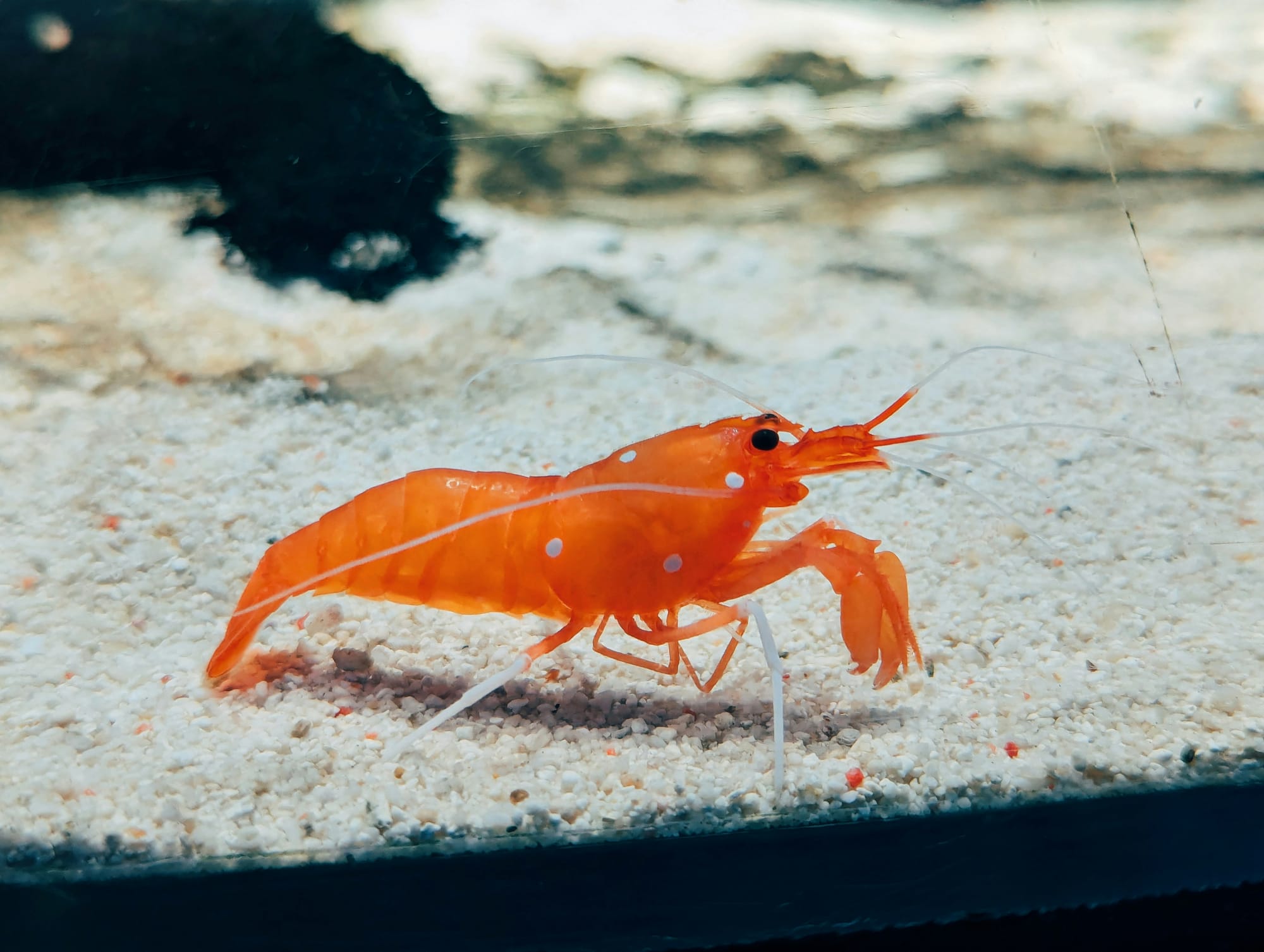
The main natural source of astaxanthin is the freshwater microalgae Haematococcus pluvialis. Marine animals like salmon, krill, and shrimp consume these algae, which gives them their reddish colour.
While synthetic versions exist, natural astaxanthin is often preferred because it’s derived from whole food sources.
Why Astaxanthin May Support Your Health
Astaxanthin is commonly used for its antioxidant capacity, which may help the body manage free radicals and oxidative stress. These processes are part of normal aging and everyday activity.
Its potential benefits relate to maintaining skin elasticity, eye health, muscle recovery, and immune function.
1. Antioxidant Support
Astaxanthin helps reduce free radicals formed in the body and supports overall cellular health. This may help maintain vitality and general well-being.
2. Skin Health
Research suggests astaxanthin may help maintain skin hydration, smoothness, and elasticity. It may also support skin barrier integrity and help the skin adapt to environmental stress.
3. Eye Health
Astaxanthin supports the health of the macula and retina and may help reduce visual fatigue, especially in people who spend long periods looking at screens.
4. Exercise and Muscle Recovery
Athletes and active individuals may use astaxanthin to help maintain muscle performance and reduce exercise-related oxidative stress.
5. Cognitive Support
Astaxanthin may support mental focus and cognitive function as part of healthy aging, and help maintain normal brain function over time.
6. Immune Function
Astaxanthin supports healthy immune responses and helps the body maintain its natural defences.
7. Heart and Blood Lipids
Astaxanthin may support the maintenance of healthy blood lipids, contributing to overall cardiovascular wellness.
How to Take Astaxanthin
Astaxanthin is available as capsules or softgels, often in doses ranging from 4mg-12 mg per day. Taking it with a meal containing healthy fats can improve absorption.
Vitable’s Astaxanthin is derived from natural marine microalgae. As with all supplements, consult your healthcare professional before introducing new products, especially if you are taking other medications or have existing health conditions.
Why It Matters
Astaxanthin’s antioxidant profile makes it a standout carotenoid for those looking to support skin health, muscle recovery, and overall vitality. It is a simple addition that complements a balanced diet and lifestyle.
Looking to up your antioxidant intake? Give Vitable vitamins a try.
Our vitamin subscription lets you pick which nutrients are right for you to be paired with a well-rounded diet and healthy lifestyle. Only take the daily vitamins you need as part of your custom vitamin packs. We also do vitamin delivery, making sure you get your personalised packs brought straight to your doorstep!
Start by taking the expert quiz today!
FAQs
Is astaxanthin safe to take daily?
Yes, astaxanthin from natural algae is generally well tolerated when taken within recommended dosages. Always follow the product label and seek advice from your healthcare professional.
Can I get astaxanthin from food?
Yes, foods such as salmon, krill, trout, and prawns contain natural astaxanthin, though supplements provide a more consistent amount.
Should I take astaxanthin with other antioxidants?
It can be taken alongside other antioxidant nutrients such as vitamin C, vitamin E, or zinc. Consult your healthcare provider for tailored guidance.
References
- Fassett, R. G., & Coombes, J. S. (2011). Astaxanthin: a potential therapeutic agent in cardiovascular disease. Marine drugs, 9(3), 447–465. https://doi.org/10.3390/md9030447
- Sztretye, M., Dienes, B., Gönczi, M., Czirják, T., Csernoch, L., Dux, L., Szentesi, P., & Keller-Pintér, A. (2019). Astaxanthin: A Potential Mitochondrial-Targeted Antioxidant Treatment in Diseases and with Aging. Oxidative medicine and cellular longevity, 2019, 3849692. https://doi.org/10.1155/2019/3849692
- Pereira, C. P. M., Souza, A. C. R., Vasconcelos, A. R., Prado, P. S., & Name, J. J. (2021). Antioxidant and anti‑inflammatory mechanisms of action of astaxanthin in cardiovascular diseases (Review). International journal of molecular medicine, 47(1), 37–48. https://doi.org/10.3892/ijmm.2020.4783
- Davinelli, S., Nielsen, M. E., & Scapagnini, G. (2018). Astaxanthin in Skin Health, Repair, and Disease: A Comprehensive Review. Nutrients, 10(4), 522. https://doi.org/10.3390/nu10040522
- Hecht K.A., Schnackenberg J., Nair A., Lignell Å. Global Perspectives on Astaxanthin. Elsevier; Amsterdam, The Netherlands: 2021. Astaxanthin for improved muscle function and enhanced physical performance; pp. 447–467. [Google Scholar]
- Bjørklund, G., Gasmi, A., Lenchyk, L., Shanaida, M., Zafar, S., Mujawdiya, P. K., Lysiuk, R., Antonyak, H., Noor, S., Akram, M., Smetanina, K., Piscopo, S., Upyr, T., & Peana, M. (2022). The Role of Astaxanthin as a Nutraceutical in Health and Age-Related Conditions. Molecules (Basel, Switzerland), 27(21), 7167. https://doi.org/10.3390/molecules27217167