
TL;DR
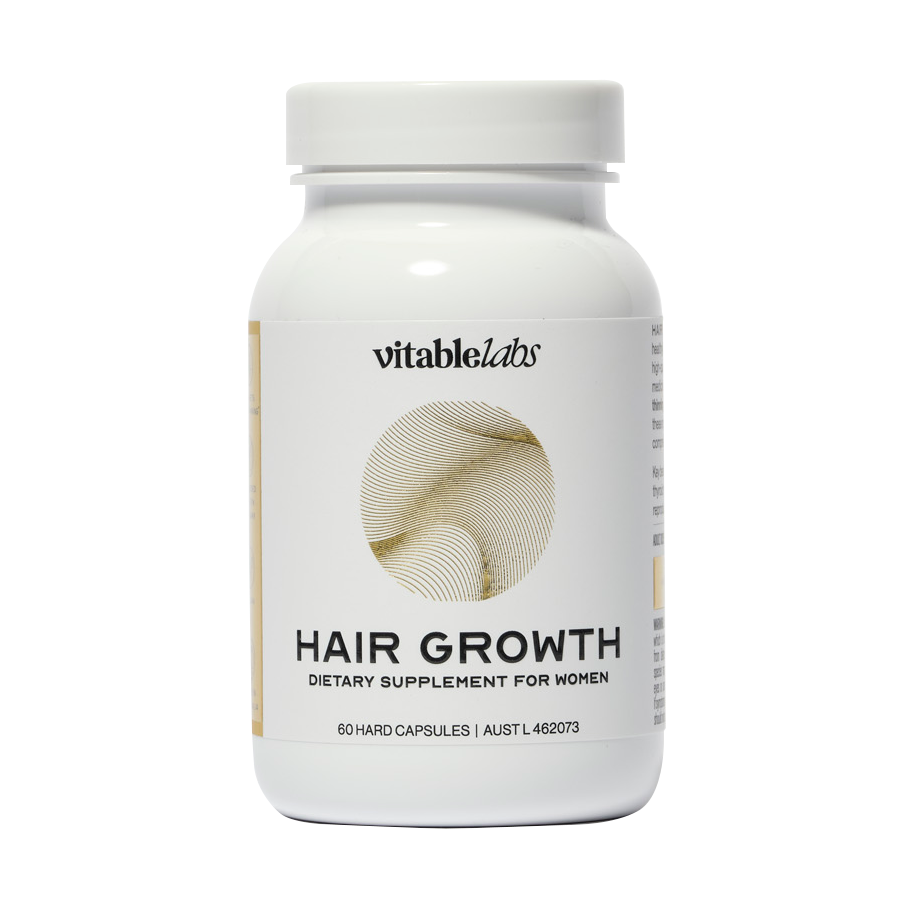
Shatavari (Asparagus racemosus) is a traditional Ayurvedic herb often used to support women’s health through all life stages. It may help the body adapt to stress, support hormonal balance, and maintain immune resilience. Shatavari is included in Vitable’s Hair Growth Formula to help promote balance and vitality from within.
What Is Shatavari?
Shatavari (Asparagus racemosus) is sometimes called the “Queen of Herbs” in Ayurveda for its long-standing use in supporting female vitality. It’s a member of the asparagus family and is rich in compounds known as saponins and phytoestrogens - plant-based substances that can gently influence hormonal activity.
Traditionally, Shatavari has been used as a rejuvenating tonic to nourish the reproductive system, help the body cope with stress, and support general well-being.
How Shatavari May Support Women’s Health
1. Supporting Hormonal Balance
Shatavari contains natural phytoestrogens, which may help support healthy hormone levels throughout various life stages such as menstruation, perimenopause, and menopause. These plant compounds may help maintain balance when oestrogen levels fluctuate, supporting comfort and emotional steadiness.
2. Helping the Body Manage Stress
As an adaptogen, Shatavari may support the body’s ability to adapt to physical and emotional stress. Adaptogens interact with the body’s hypothalamic-pituitary-adrenal (HPA) axis, which plays a central role in stress response. Supporting this system may contribute to better energy balance, improved mood regulation, and overall resilience.
3. Antioxidant and Immune Support
Shatavari is naturally rich in antioxidants and anti-inflammatory compounds that may help protect cells from oxidative stress. These actions support general immune health and can be helpful during times of fatigue or recovery. Research suggests that compounds called sapogenins in Shatavari may help modulate immune activity.
4. Connection Between Hormones, Stress & Hair Health
Hormonal changes and stress can influence hair thickness and growth. When stress levels rise or hormones fluctuate, this may contribute to temporary hair shedding or reduced vitality.
Vitable’s Hair Growth Formula includes Shatavari along with 12 other nutrients - such as biotin, zinc, and vitamin C - to support hair strength, hormonal balance, and overall wellbeing from within.
As with any supplement, it’s always best to check with your doctor or healthcare provider before adding anything new to your routine, especially if you have existing health conditions or take medications.
FAQs
How long does it take to notice effects?
It depends on what you expect the effects to be. Studies have shown anywhere between six and 24 weeks. Any potential benefits are likely to be gradual, so it’s best to listen to your body if you’re taking shatavari and check up regularly with your GP, especially if you have any other health conditions.
Should I take Shatavari with food?
Yes, it’s typically best taken with food and a glass of water to avoid any digestive discomfort.
References
- Singh, R., et al. (2024). Potential therapeutic applications of Asparagus racemosus (Shatavari): A review of traditional and modern evidence. PubMed PMID: 38725785
- Thakur, M., et al. (2018). A comprehensive review on Asparagus racemosus: pharmacological perspectives. ScienceDirect S0753332218301665
- Sharma, V., et al. (2018). Adaptogenic activity of Asparagus racemosus root extracts in stress models. PubMed Central PMC6002474
- Pandey, A., et al. (2018). Phytochemical and pharmacological overview of Asparagus racemosus: an Ayurvedic approach. ScienceDirect S221080331830001
- Gupta, M., et al. (2018). Protective effects of Asparagus racemosus on oxidative stress and immune response. PubMed PMID: 29635127
- Kaur, G., et al. (2015). Evaluation of the immunomodulatory potential of Asparagus racemosus roots in animal models. PubMed Central PMC4518422
- Bhatnagar, S., et al. (2023). Phytochemical standardisation and safety assessment of Asparagus racemosus extract. Impact Factor Journal, Vol. 15(1): Article 80. Link