Wellness Blog
The content on this blog is for general informational purposes only and is not a substitute for professional medical advice, diagnosis, or treatment. Always consult your healthcare provider before making changes to your health routine or taking new supplements.


Tired eyes? Here's what you should do
Spending a lot of time in front of a screen whether for work or entertainment may lead to tired eyes. While using a computer does not cause permanent eye damage, it is a demanding visual task which may cause discomfort to your eyes after long periods of time (1). In addition, you tend to blink less while focused on a screen. This may lead to your eyes drying out. Other activities that may be hard on your eyes include reading, driving long distances, and detailed work like sewing (2). You may also tire your eyes out from straining to see when the lighting in the environment is bad, or being under very bright or harsh lights. You may also tire out your eyes by not wearing, or wearing incorrectly graded glasses or contact lenses (3).Tired eyes can lead to eyestrain. The symptoms of eyestrain include sore, burning, or itching eyes, blurred or double vision, watery or dry eyes, and headaches. You may also have an increased sensitivity to light, find concentrating difficult, and have trouble keeping your eyes open (4).Tips to avoid tired eyesHere are some ways to avoid eyestrain:Take breaksYou may spend hours looking at a screen, or focused on detailed work that is taxing on the eyes. Give your eyes a break by looking away every now and then (4).To avoid eye strain from looking at a digital screen, it is helpful to remember the 20-20-20 rule. This means that every 20 minutes, you can take a 20-second long break to look at something 20 feet away from you (2).Use eye dropsLubricating eye drops are available over the counter and can help relieve dry, tired eyes. However, avoid using eye drops that are designed to treat eye redness, as these may make dry eye symptoms worse (4).Adjust the lightingIf you are reading or doing detailed work, it helps to keep the light shining from behind you so it falls directly on what you are looking at. On the other hand, when you're watching television, you may want to keep the rest of the lights in the room low (3, 4).When looking directly at a screen, it may also help to reduce the glare. Bright lighting can strain the eyes. You may also put an anti-glare filter over your device's screen (4).Supplementation for healthy eyesCertain nutrients may also help support better eye health. While these nutrients are best taken in through a healthy, balanced diet, we aren't always able to get all the vitamins and minerals we need from what we eat. In these situations, it may help to take supplementation. Among the supplements that may support eye health are:ZincThere is a large amount of this trace element present in eye tissue. Deficiencies in zinc have been connected to chronic eye conditions (5).AstaxanthinAstaxanthin supports eye health by countering some of the factors that may lead to ocular problems. These include oxidative stress and other kinds of inflammation (6).Omega-3DHA, an omega-3 fatty acid, can be found concentrated in the retina of the eye (7). DHA supports nerve conduction which is required for eye health (8). Omega-3 fatty acids can usually be found in fish oil. However, if your dietary requirements prohibit the consumption of fish oil, Vitable's Veg Omega is a vegan alternative, containing omega-3 fatty acids sourced from algae oil.While our eyes regularly come under strain because of work, or other everyday activities, practising good eye habits and taking in the proper nutrition helps you steer clear from visual fatigue and keep your eyes healthy.Vitable Australia provides you with daily vitamins specifically chosen for your health needs. Get your personalised vitamins through our vitamin subscription service in Australia, and have them delivered to your doorstep through our vitamin delivery service.Find out more about other supplements that can support eye health:Zinc | Astaxanthin | Vegan omega*Always read the label. Follow the directions for use. If symptoms persist, talk to your health professional. Vitamin and/or mineral supplements should not replace a balanced diet.References: Better Health Channel. "Eyes - common problems". Better Health Channel. Last reviewed April 2015 on https://www.betterhealth.vic.gov.au/health/conditionsandtreatments/eyes-common-problems. Accessed January 22, 2022. Cleveland Clinic. "Eye Strain". Cleveland Clinic. Last reviewed June 2019 on https://my.clevelandclinic.org/health/diseases/21059-eye-strain. Accessed January 22, 2022. HealthDirect. "Eye strain". Health Direct. Last reviewed April 2020 on https://www.healthdirect.gov.au/eye-strain. Accessed January 22, 2022. Mayo Clinic Staff. "Eyestrain". Mayo Clinic. Published August 2020 on https://www.mayoclinic.org/diseases-conditions/eyestrain/diagnosis-treatment/drc-20372403. Accessed January 22, 2022 Grahn, B., et. al., "Zinc and the eye". J Am Coll Nutr. Published April 2001 on https://pubmed.ncbi.nlm.nih.gov/11349933/. Accessed January 22, 2022. Vitable. “Astaxanthin”. Vitable. Published n.d. on https://research.get.vitable.com.au/astaxanthin. Accessed January 22, 2022. Vitable. “Veg Omega”. Vitable. Published n.d. on https://www.get.vitable.com.au/products/veg-omega. Accessed January 22, 2022. Harvard Health Publishing. " Omega-3 for your eyes". Harvard Medical School. Published August 2012 onhttps://www.health.harvard.edu/heart-health/omega-3-for-your-eyes. Accessed January 22, 2022.
Learn more
Stress and hormones: how they influence each other and what you can do to stay balanced
TLDR Stress can influence both physical and emotional wellbeing. Your hormonal system is highly sensitive to stress, and chronic or unaddressed stress may contribute to hormone-related shifts such as low energy, changes in digestion, sleep challenges or mood fluctuations. Supportive habits such as sleep, movement, balanced eating and targeted supplementation may help you maintain resilience. How stress affects the body Stress is a normal part of life, but persistent or overwhelming stress can influence how you feel both physically and mentally. In Australian surveys, many adults report that stress affects their energy, sleep, mood and general wellbeing. Common stress responses include: Muscle tension Digestive discomfort Headaches Low energy Changes in sleep patterns Feeling overwhelmed or flat These experiences are linked to the way stress interacts with your hormonal system. The connection between stress and hormones Your endocrine system produces the hormones that regulate mood, energy, metabolism, sleep, reproductive function and more. This system is designed to adapt quickly when short-term stress arises. For example, hormones like adrenaline help you respond to immediate challenges. The concern arises when stress becomes ongoing and your body has little opportunity to reset. Long-term stress may influence hormone production and the communication pathways your body relies on for balance. Common signs that stress may be affecting hormonal balance include: Changes in digestion Shifts in appetite or metabolism Low mood or reduced motivation Poor sleep quality Lethargy or “wired but tired” feelings Changes in menstrual regularity for women These experiences are usually temporary when stress is well managed. Practical ways to support stress and hormonal balance 1. Identify your stress triggers Understanding what contributes to your stress can help you respond more intentionally. You might notice patterns linked to work, relationships, sensory overload or certain environments. Creating small, predictable “decompression” habits - like a short walk, journalling or speaking with a friend - can help your body come back to baseline. 2. Prioritise rest and sleep Sleep and stress influence each other in both directions. Adults benefit from 7–9 hours of quality sleep to support recovery and hormone regulation. A calming wind-down routine may include: Reducing bright screens before bed Gentle stretching Magnesium supplementation Breathing exercises or meditation 3. Move your body regularly Regular movement helps regulate stress hormones and supports mood, energy and sleep. It doesn’t need to be strenuous - walking, yoga, Pilates or light strength training can all be helpful. 4. Support your body with nourishing foods Balanced meals that include protein, fibre, healthy fats and colourful plants provide the nutrients your body relies on during stressful periods. Nutrients commonly used for stress resilience include: Ashwagandha, traditionally used to support a healthy stress response B vitamins, which support energy and mood pathways Magnesium, known for supporting muscle relaxation and nervous system balance 5. Consider supportive supplements Alongside lifestyle foundations, supplements can help create a simple, consistent stress-support routine. Many people choose: Ashwagandha for stress resilience Magnesium for relaxation and sleep B Complex for energy and mood pathways Ginkgo + Brahmi for cognitive support Vitable offers personalised daily vitamin packs so you can include the nutrients that fit your health goals. The bottom line Stress is often unavoidable, but the way you support your body makes a meaningful difference. By focusing on sleep, movement, nourishing food and targeted nutrients, you can help maintain hormonal balance and overall wellbeing. To build a tailored routine, explore your personalised Vitable vitamin pack. Take the quiz. Last updated November 2025
Learn more
How to Increase Your Libido: Boost your Sex Drive
Struggling with a low libido? Find helpful tips on increasing libido for men and women and learn why some people experience low sex drive.
Learn more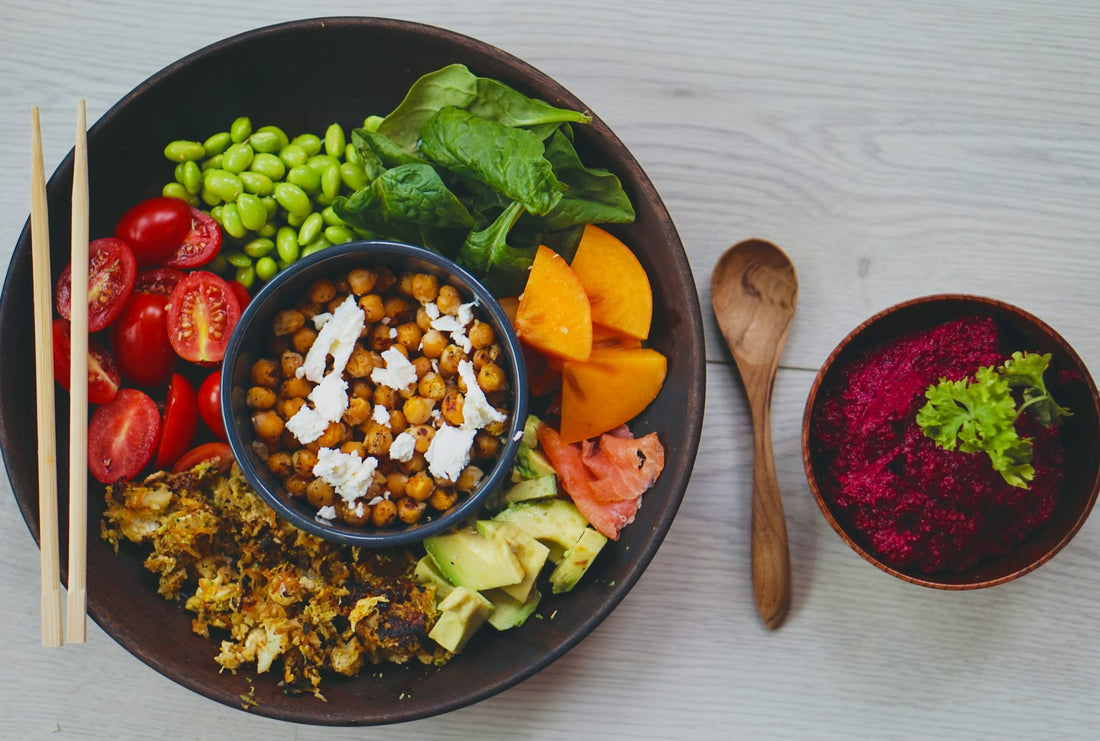
What are trace minerals like Iodine and Zinc, and why are they important?
Learn about the benefits, types, and food sources of trace minerals like iron, zinc, iodine and selenium. Discover how to meet your needs for optimal health and well-being.
Learn more
Your Guide to Fish Oil: Benefits, Dosage, and More
Here's what you need to know about fish oil, its benefits, and how to choose the right supplement for your needs.
Learn more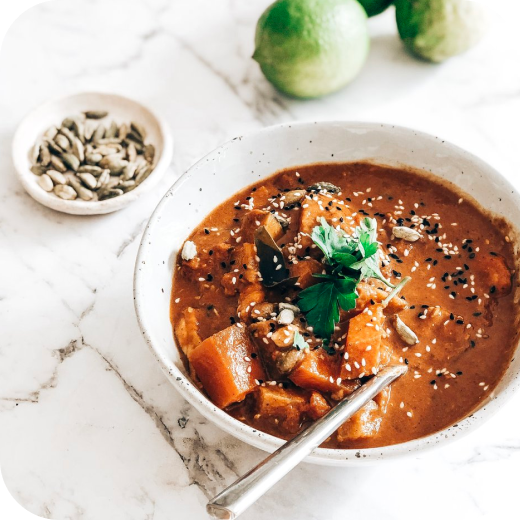
Nourishing Autumnal Recipes
As the leaves begin to turn and the air becomes crisp, there's nothing quite like the feeling of autumn. It's a season filled with warmth, comfort, and delicious flavours. And what better way to celebrate the season than with some autumn-inspired recipes.
Learn more
When Should I Take Prenatal Vitamins & For How Long?
Discover how early you should start taking prenatal vitamins, when it is safe to stop, and tips for ensuring you're eating a nutrient-rich diet your little one will thank you for.
Learn more
Three Recipes For That Summer Glow
Is your skin in need of some TLC? Here are three delectable recipes to give you that coveted glow.
Learn more
Your Pre-Pregnancy Nutrition Guide: How Prenatal Vitamins Can Support You
How can you best prepare for pregnancy?That's exactly what our prenatal guide is all about. Read on as we dive into all things pregnancy, prenatals and preparation.
Learn more