


Wellness Blog
The content on this blog is for general informational purposes only and is not a substitute for professional medical advice, diagnosis, or treatment. Always consult your healthcare provider before making changes to your health routine or taking new supplements.

Is collagen worth it? What collagen actually does for skin, joints, and hair
TL;DR Collagen is one of the most abundant proteins in the human body, helping maintain skin elasticity, joint comfort, and healthy hair growth. As we age, natural collagen production declines but research shows that high-quality hydrolysed collagen supplements (particularly marine collagen) can help support firmness, hydration, and mobility. What is collagen? Collagen is the main structural protein that holds our body together - think of it as the “glue” that supports skin, bones, joints, tendons, ligaments, and even hair follicles. Our bodies naturally produce collagen, but starting in our mid-to-late 20s, production begins to drop by about 1% each year. This leads to visible signs of ageing (like fine lines and wrinkles), as well as stiffness in joints and slower recovery after exercise. How collagen supports skin, joints, and hair Function What collagen does Benefits you may notice Skin Provides structure and elasticity Fewer fine lines, smoother texture, improved firmness Joints & bones Cushions cartilage and connective tissue Better flexibility, less stiffness after activity Hair & nails Supports keratin production and scalp structure Stronger nails, thicker-looking hair Factors that reduce natural collagen levels 1. Ageing As we age, the fibroblasts in our skin (which produce collagen) slow down. This is why collagen supplements can be beneficial from your late 20s onward. 2. UV exposure Australia’s strong UV rays can accelerate collagen breakdown. Chronic sun exposure is one of the biggest contributors to premature ageing and pigmentation. 3. Lifestyle and stress Smoking, excess alcohol, stress, and a low-protein diet can all inhibit collagen synthesis. On the other hand, regular exercise and a diet rich in vitamin C, zinc, and amino acids can support natural collagen production. Is collagen worth it for skin? Several clinical studies have shown that oral hydrolysed collagen peptides can improve hydration, elasticity, and dermal density within 8–12 weeks of consistent use. For example, a 2019 study published in the National Library of Medicine found that participants taking daily collagen experienced measurable improvements in skin firmness and elasticity, compared to those on a placebo. Key takeaway If you’re looking to smooth fine lines and boost skin glow from within, collagen supplementation can be worth it, especially when paired with a balanced diet and sunscreen protection. What about collagen for joints and recovery? Type II collagen is the form found in cartilage, the connective tissue that cushions your joints. As collagen production slows, cartilage thins, increasing joint stiffness and post-exercise soreness. Clinical evidence suggests that collagen supplements may help improve joint comfort and flexibility, particularly in older adults and active individuals. Collagen works synergistically with vitamin C, which is essential for collagen synthesis, and magnesium, which supports muscle function and recovery. Does collagen help with hair and nails? Collagen provides amino acids (especially proline and glycine) that are essential for keratin, the main protein in hair and nails. Supplementing collagen may help strengthen brittle nails and support healthy hair growth from within. For extra support, pair collagen with biotin and zinc, which further promote strong, shiny hair and nail resilience. Marine vs bovine collagen: Which is better? Type Source Best for Absorption Marine collagen (Type I) Fish skin and scales Skin, hair, and nails High - smaller peptides for fast absorption Bovine collagen (Type I & III) Cow hide Skin and joint health Moderate Porcine collagen (Type I & III) Pig skin General tissue support Moderate Marine collagen is often preferred in due to its superior absorption rate. However, those with fish or shellfish allergies should avoid marine-based collagen and opt for bovine-sourced options instead. Choosing the best collagen supplement in Australia When shopping for collagen, look for: Hydrolysed or peptide form (for optimal absorption) Type I collagen for skin, hair, and nails Type II collagen for joints and cartilage Vitamin C inclusion to support collagen synthesis Vitable’s Marine Collagen is formulated in Australia using sustainably sourced Type I marine collagen. Vitable’s Marine Collagen Vitable’s Collagen Plus Hyaluronic Acid and Collagen Creamer is a Type I marine collagen supplement is formulated to: Maintain and support skin integrity and structure Improve elasticity and hydration Reduce the appearance of fine lines and wrinkles Support healthy hair and nail growth How to take collagen for best results Take collagen daily for at least 8-12 weeks for visible results. Pair with a diet rich in vitamin C (like citrus and capsicum). Stay hydrated - collagen synthesis relies on adequate water intake. Protect your skin from UV exposure to prevent further collagen loss. FAQs Marine Collagen vs Bovine Collagen: Which is better?Marine and bovine collagen differ mainly by source and collagen type. Bovine collagen (from cows) contains Types I and III to support skin and joints but isn’t suitable for vegetarians. Marine collagen (from fish) offers Type I for skin, hair, and nail health and has faster bioavailability, though unsuitable for those with fish allergies. 2. How long does it take to see results?Most people notice improved skin hydration within 4–8 weeks, with visible elasticity and firmness by 12 weeks. 3. Is collagen safe during pregnancy or breastfeeding?Always check with your healthcare provider before taking any supplement during pregnancy or lactation. Final thoughts: Is collagen worth it? Yes! Collagen supplementation can be worth it for maintaining youthful skin, healthy joints, and stronger hair and nails, especially as natural production declines with age. References Bolke, L., Schlippe, G., et al. “A Collagen Supplement Improves Skin Hydration, Elasticity, Roughness, and Density: Results of a Randomized, Placebo-Controlled, Blind Study”. National Library of Medicine: National Center for Biotechnology Information. Published October 17, 2019 on https://www.ncbi.nlm.nih.gov/pmc/articles/PMC6835901/ Better Health Channel. “Healthy ageing - the skin”. Better Health Channel. Last reviewed April 17, 2018 on https://www.betterhealth.vic.gov.au/health/conditionsandtreatments/healthy-ageing-the-skin . Accessed on July 29, 2021 Leon-Lopez, A., Morales-Penaloza, A., Martines-Juarez, V., et al. “Hydrolyzed Collagen—Sources and Applications”. National Library of Medicine: National Center for Biotechnology Information. Published November 6, 2019 on https://www.ncbi.nlm.nih.gov/pmc/articles/PMC6891674/ Borumand, M., Sibilla, S. “Daily consumption of the collagen supplement Pure Gold Collagen® reduces visible signs of aging”. National Library of Medicine: National Center for Biotechnology Information. Published October 13, 2014 on https://www.ncbi.nlm.nih.gov/pmc/articles/PMC4206255/ Silva, T., Moreira-Silva, J., Marques, A., et al. “Marine Origin Collagens and Its Potential Applications”. National Library of Medicine: National Center for Biotechnology Information. Published December 5, 2014 on https://www.ncbi.nlm.nih.gov/pmc/articles/PMC4278207/ . Accessed July 29, 2021
Learn more
Zinc Supplements for Hair Strength
Our hair can play an important part in our lives as it protects the scalp from harmful sun exposure and heat. Some common factors that may cause it to change over time are hormonal changes, overexposure to the sun's ultraviolet (UV) rays, chemical processes (ie. dye), and aging (1).
Learn more
Magnesium types: Magnesium glycinate vs citrate: what’s the difference?
Are there different types of magnesium? What are they? We answer all your burning questions about magnesium and whether you should be taking them as supplements.
Learn more
How magnesium supplements can benefit your body & mind
Magnesium has several benefits which include supporting brain function and nervous system health. However, according to healthdirect, around 1 in 3 people in Australia are not getting the adequate intake of magnesium daily (1).This mineral is important as it directly impacts the nervous system. The nervous system is made up of the brain, spinal cord, and nerves. It is the system that controls all the functions you need to go about your day. This includes intelligence and memory, movement, and the senses (2).There are several factors that can deplete this mineral in your body, including alcohol use, chronic diarrhea, excessive sweating, and certain medications (12). Stress can also lead to less magnesium in the body (13).Healthy adult men should generally consume 400 to 420 mg of magnesium per day, while women should consume 310 to 320 mg daily. Pregnant women should consume a higher dose than women who are not pregnant.Magnesium supplement benefitsMaintains and supports nervous system healthMagnesium is necessary for the smooth running of several central nervous system processes (13). It is important for the regulation of good nerve transmission, and conduction of the nerves to the muscles.Maintains and supports cognitive and mental functionMagnesium is also important for proper cognitive and mental function. Studies have suggested that magnesium plays a role in human cognitive performance and also helps learning (15).Magnesium also helps block compounds that may cause neuronal degeneration and cell death, while improving muscle and nerve function ensuring a healthier mind (10).Prevents dietary magnesium deficiencyMagnesium deficiency results in neurological symptoms or conditions (5). It is also linked to inflammation, which may result in chronic health conditions (7).Magnesium-rich foodGenerally, foods that are high in fibre can provide reasonable amounts of magnesium.You can get a good amount of magnesium in green vegetables like spinach and peas. If you prefer things you can snack on, try cashews, peanuts, and almonds. Whole wheat bread and brown rice are good options as well. When trying to boost your magnesium levels, be sure to prioritise eating more magnesium-rich foods.In the case your diet is not enough, you can opt for magnesium supplements.While there are many different kinds of magnesium capsules available as supplements, the best types are the ones with highest bioavailability, or are most easily absorbed by the body. Among these is, magnesium citrate, which is more bioavailable compared to other types of magnesium, like magnesium oxide and magnesium chelate (14).Magnesium supplement benefits include giving your nervous system a boost. Taking the right steps to care for your brain and nervous system can allow you to function better on a daily basis.What happens when you have an effective exercise and diet plan in practice? That's half the battle won. Taking your capabilities to the next level can be achieved with personalised vitamins or vitamin packs. With Vitable, you can curate your supplementation by crafting a pack that's geared just for you - that's the benefit of having a vitamin subscription in Australia. What are you waiting for? Craft your unique vitamin plan today and have it delivered to your doorstep! Learn more about other areas that magnesium can help you with, plus other supplements that can benefit in different ways:Magnesium | Iron | Ashwagandha | Acetyl L carnitine | B complex | Vitamin C | Vitamin B12*Always read the label. Follow the directions for use. If symptoms persist, talk to your health professional. Vitamin and/or mineral supplements should not replace a balanced diet.References:1. HealthDirect. “Foods high in magnesium.” HealthDirect. Last Reviewed March 2021 on https://www.healthdirect.gov.au. Accessed August 3, 20212. HealthDirect. "Nervous System." HealthDirect. Last reviewed July 2019 on https://www.healthdirect.gov.au/nervous-system . Accessed August 3, 20213. Vitable. "Magnesium". Vitable. (n.d.) Accessed August 3, 2021 from https://www.get.vitable.com.au/products/magnesium24. HealthDirect. "Magnesium and your health". Healthdirect. Last reviewed March 2021 on https://www.healthdirect.gov.au/magnesium . Accessed August 2, 20215. Grober, U., Schmidt, J., Kisters, K. 2015. “Magnesium in Prevention and Therapy.” Nutrients 7, 9 (Sep): 8199-8226. https://www.mdpi.com/2072-6643/7/9/5388 . Accessed August 2, 20216. Kirkland, A., Sarlo, G., Holton, K., "The Role of Magnesium in Neurological Disorders". National Library of Medicine: National Center for Biotechnology Information. Published June 2018 on https://www.ncbi.nlm.nih.gov/pmc/articles/PMC6024559/ . Accessed August 3, 20217. Harrar, S., "Why Magnesium is Good for Brain Health". Brain&Life.org. Published Feb/March 2020 on https://www.brainandlife.org/articles/why-magnesium-is-good-for-brain-health/ . Accessed August 3, 20218. Sartori, SB., Whittle, N., Hetzenauer, A., Singewald, N. 2012. “Magnesium deficiency induces anxiety and HPA axis dysregulation: modulation by therapeutic drug treatment.” Neuropharmacology. 62, 1 (Jan): 304-12. https://doi.org/10.1016/j.neuropharm.2011.07.0279. Cuciureanu, M., Vink, R., "Magnesium in the Central Nervous System". University of Adelaide Press. Published 2011 on https://www.ncbi.nlm.nih.gov/books/NBK507250/ . Accessed August 3, 202110. Institute of Medicine (US) Committee on Nutrition, Trauma, and the Brain. "Nutrition and Traumatic Brain Injury: Improving Acute and Subacute Health Outcomes in Military Personnel". National Academis Press. Published 2011 on https://www.ncbi.nlm.nih.gov/books/NBK209305/ . Accessed August 3, 202111. Hung-Chuan, P., Meei-Ling, S., et. al., " Magnesium supplement promotes sciatic nerve regeneration and down-regulates inflammatory response". National Library of Medicine: PubMed.Gov. Published July 2011 on https://pubmed.ncbi.nlm.nih.gov/21609904/. Accessed August 3, 202112. Medlineplus. “Magnesium deficiency.” U.S. National Library of Medicine. Published on https://medlineplus.gov/ency/article/000315.htm . Accessed August 7, 202113. Vitable. “Magnesium.” Vitable. Published (n.d.) on https://research.get.vitable.com.au/magnesium. Accessed August 19, 202114. Walker, A., Marakis, G., et al. "Mg citrate found more bioavailable than other Mg preparations in a randomised, double-blind study." National Library of Medicine: National Center for Biotechnology Information. Published Sept 2003 on https://pubmed.ncbi.nlm.nih.gov/14596323/. Accessed August 19, 202115. https://www.ncbi.nlm.nih.gov/books/NBK507270/
Learn more
6 Of The Best Energy-Boosting Foods
Some foods give you more energy than others. And if you're often left feeling fatigued, it's probably high time for you to re-evaluate your diet. We've covered the best foods for energy here — make sure you remember them!
Learn more
Winter skin care - How to keep your skin healthy and moisturised
Winter months can sometimes be eagerly anticipated after months of long, hot summers. However, the transition from hot summer to cold and dry winter can really impact our skin barrier and the health of our skin.
Learn more
Experiencing fatigue? Remedy it with the right nutrients
Fatigue is that feeling you get when you constantly feel tired, weak and even overwhelmed by simple daily tasks. It can present physically, mentally, or often it is a combination of the two.No one is immune to fatigue - it can happen to anyone, but in a busy world, full of everyday pressures, it's mostly experienced by adults.Each year, an estimated 1.5 million Australians report feeling fatigue (1). Here are some common causes of fatigue, and how to address them by living a balanced lifestyle, managing stressors and using Vitable's custom vitamin packs personalised to your health needs.Causes of fatigueA person who feels fatigued may be experiencing one of these factors, or several at once:Underlying illnessesFatigue may arise due to various physical conditions (2). It may arise from not having enough nutrients in your body as a result of medical conditions. It may also come from your body being unable to process nutrients properly and efficiently. Problems with your muscles or organs may also result in tiredness.Work stressFatigue may be the result of stress in the workplace or working too many hours without rest (5).Poor lifestyle decisionsTaking a lot of alcohol or drugs may contribute to feelings of fatigue. Lack of exercise may also result in having less energy (5).Mental and emotional stressMental health issues or grief may result in feelings of fatigue. These may also cause other symptoms, such as lack of motivation and irritability (5).Addressing energy deficiencyThere are simple ways to avoid getting fatigued. These include lifestyle and diet changes, which can be accompanied with Vitable's custom vitamin packs.Get the right amount of sleepTo function at its best, the body requires a good 8 hours of sleep. Even though you can get by with less hours of sleep, it could take a toll on you mentally. Even excessive sleeping can induce more sleepiness, so finding the right balance that leaves you feeling energised is the best option (3).Take a breakBeing in a stressful environment is something you cannot change immediately or on your own, but there are ways to cope with it. When bothered by workplace stress or being burnt out, the best thing to do is take a break and rest. The body needs sleep, the mind needs to rest, and with both, you can steer clear of fatigue.Evaluate your current dietSome of the questions you can ask yourself as part of evaluating your daily diet include: Are you getting enough water daily? How balanced are the meals that you eat every day? Do you eat too much or too little? Your daily dietary supplements must cover the spectrum of energy boosters alongside a wholesome meal.When it comes to diet, the goal is to include the right nutrients to keep your body's energy levels high. Eating food that is rich in iron, magnesium, B-complex vitamins, and vitamin C can benefit you plenty, not only for fatigue but the body's functionality (4).Putting together custom vitamin packs to boost energy levelsGetting sufficient nutrients for the body to function optimally can be achieved through a well-rounded diet. Custom subscription vitamins can accompany your healthy diet to ensure you receive these vitamins and minerals regularly and adequately.Here are some of the high quality vitamin supplements you can consider including as part of your own vitamin pack for energy:IronIron supports energy levels by playing an important role in producing adenosine triphosphate (ATP), or the primary energy storage in our cells (6).*Iron should only be taken if prescribed by your doctor.AshwagandhaAshwagandha has traditionally been used to promote physical endurance and stamina by improving mitochondrial health (7).MagnesiumMagnesium supports energy production by playing a part in the body using up glucose for energy, as well as the creation of ATP (8).B complexThe B group of vitamins are involved in the processes of producing energy out of carbohydrates, fats, and proteins (9).Acetyl L-carnitineAcetyl L-carnitine supports energy levels in the body by improving energy status and decreasing oxidative stress (10).Vitamin CVitamin C helps in the transport of fatty acids to the mitochondria, or the energy core of the cell (11).Vitamin B12This vitamin plays a role in the citric acid cycle, which helps us get energy from food (12).Feel like fatigue is keeping you down? Get your energy levels back to where you want it to be with Vitable Australia's vitamin subscription packs! Vitable will put together your personalised vitamins in daily vitamin packs, with your health goals in mind. Paired with a healthy diet, get your nutrient fix through daily vitamin packs, where you can curate your own chosen set of vitamins. If you're also looking for vitamin delivery in Australia, Vitable is at your service! We offer custom supplements, delivered to your doorstep.Find out more about other areas that the above supplements can help you with:Iron | Ashwagandha | Magnesium | B complex | Acetyl L-carnitine | Vitamin C | Vitamin B12*Always read the label. Follow the directions for use. If symptoms persist, talk to your health professional. Vitamin and/or mineral supplements should not replace a balanced diet.References: BetterHealth. Fatigue. BetterHealth. Published 2015 on https://www.betterhealth.vic.gov.au/health/conditionsandtreatments/fatigue. Accessed September 17, 2021. HealthDirect. Fatigue. HealthDirect. Published March 2021 on https://www.healthdirect.gov.au/fatigue. Accessed September 17, 2021. Slater, G. & Steier, J. Excessive daytime sleepiness in sleep disorders. National Institutes for Health. Published December 2012 on https://www.ncbi.nlm.nih.gov/pmc/articles/PMC3506799/. Accessed September 17, 2021. BetterHealth. Fatigue fighting tips. BetterHealth. https://www.betterhealth.vic.gov.au/health/conditionsandtreatments/fatigue-fighting-tips. Accessed September 17, 2021. https://www.betterhealth.vic.gov.au/health/conditionsandtreatments/fatigue#causes-of-fatigue Vitable. Iron. Vitable. Published (n.d.) on https://research.get.vitable.com.au/iron. Accessed September 26, 2021. Singh, N., et. al. An Overview on Ashwagandha: A Rasayana (Rejuvenator) of Ayurveda. US National Library of Medicine: National Institutes of Health. Published July 2011 on https://www.ncbi.nlm.nih.gov/pmc/articles/PMC3252722/. Accessed September 26, 2021. Vitable. Magnesium. Vitable. Published (n.d.) on https://research.get.vitable.com.au/magnesium. Accessed September 26, 2021. Vitable. B-complex. Vitable. Published (n.d.) on https://research.get.vitable.com.au/b-complex. Accessed September 26, 2021. Vitable. Acetyl L Carnitine. Vitable. Published (n.d.) on https://research.get.vitable.com.au/acetyl-l-carnitine. Accessed September 26, 2021. Vitable. Vitamin C. Vitable. Published (n.d.) on https://research.get.vitable.com.au/vitamin-c-plus. Accessed September 26, 2021. Vitable. Vitamin B12. Vitable. Published (n.d.) on https://research.get.vitable.com.au/vitamin-b12. Accessed September 26, 2021.
Learn more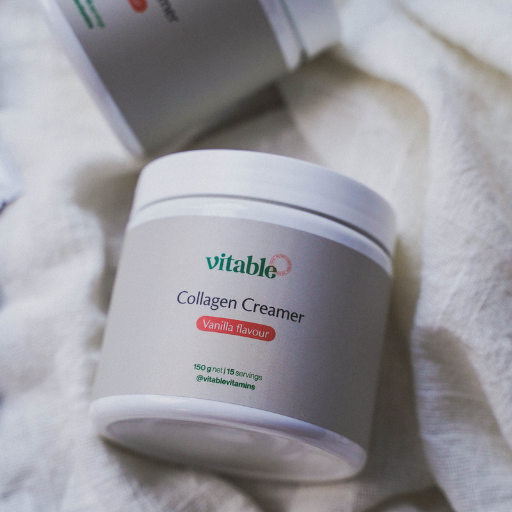
How to assemble your personalised vitamin pack for hair health
A healthy head of hair can not only make us feel good, it can also speak volumes about how healthy our bodies are. Consuming a bountiful selection of nutrients can support hair vibrancy, thickness, strength and shine and experiencing deficiencies of certain nutrients can affect hair growth (7), resulting in dry, and dull hair, or excess hair loss.To sustain hair health, our bodies need specific nutrients that support hair growth and strength. While many of these nutrients can come from the food we eat, we may not be able to get sufficient amounts from diet alone. Following this, you may consider taking supplements to support hair health.Daily vitamin subscription to support hair healthHere are some vitamins you can include as part of your vitamin packs in Australia to help keep your hair healthy:CollagenCollagen is a natural protein in the body, and is an integral part of our hair. Its fibre-like structure is used to make connective tissues that are strong and resilient, able to withstand stretching. When your body makes collagen, it combines amino acids, nutrients you get from eating protein-rich foods (1).Derived from sustainably sourced fish, Vitable's dairy-free Collagen Creamer is paired with organic coconut milk and natural vanilla with each serving. It provides the body with a dose of collagen, healthy fats, protein and fibre. Vitable's hydrolysed collagen is easily absorbed by the body and stable in hot temperatures.BiotinThe water soluble vitamin also known as vitamin B7, is an essential cofactor to enzymes in the metabolism of fatty acids, glucose and amino acids and plays a key role in gene expression and cell signaling (2). Biotin also plays a role in the production of keratin, that is part of what makes up the structure of the hair. Studies have found that biotin supplementation improves hair growth and health (6)Vitable's Biotin supports hair strength, thickness and overall health. Capsuled in Australia, and observing TGA standards on quality and safety, this dose delivers only the suitable daily amount as opposed to other megadoses. On top of that, this special tablet is vegan, non-GMO and free of added gluten and lactose.Complete your everyday hair regimen with Vitable vitamins. Our daily vitamin subscription allows you to choose only the custom supplements you need. Give our vitamin packs a shot today and make use of our vitamin delivery service to have them sent right to your doorstep. Biotin | Collagen *Always read the label. Follow the directions for use. If symptoms persist, talk to your health professional. Vitamin and/or mineral supplements should not replace a balanced diet.References: BetterHealth Channel. “Hair”. BetterHealth Channel. Published on https://www.betterhealth.vic.gov.au/health/conditionsandtreatments/hair#normal-hair-growth. Accessed on October 14, 2021. Harvard T.H. Chan School of Public Health. “Collagen”. Harvard T.H. Chan School of Public Health. Published on https://www.hsph.harvard.edu/nutritionsource/collagen/. Accessed on October 14, 2021. Cleveland Clinic. “The Best Way You Can Get More Collagen”. Cleveland Clinic. Published May 15, 2018 on https://health.clevelandclinic.org/the-best-way-you-can-get-more-collagen/. Accessed on October 14, 2021. Deepa P. Patel, Shane M. Swink and Leslie Castelo-Soccio. “A Review of the Use of Biotin for Hair Loss”. NCBI. Published April 27, 2017 on https://www.ncbi.nlm.nih.gov/pmc/articles/PMC5582478/. Accessed on October 14, 2021. Hind M. Almohanna, Azhar A. Ahmed, John P. Tsatalis, and Antonella Tosti. “The Role of Vitamins and Minerals in Hair Loss: A Review”. Published December 13, 2018 on https://www.ncbi.nlm.nih.gov/pmc/articles/PMC6380979/. Accessed on October 14, 2021. Vitable. “Biotin”. Published (n.d.) on https://research.get.vitable.com.au/biotin. Accessed on October 17, 2021. The Trichological Society. "Nutrition and Hair Health". Published n.d. On https://www.hairscientists.org/hair-and-scalp-conditions/nutrition-and-hair-healt. Accessed on October 17, 2921.
Learn more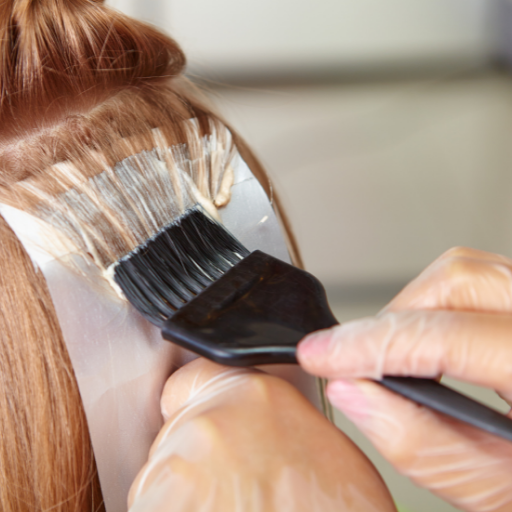
How to repair damaged hair from hair dyes and salon treatments gone wrong
When we go for regular colouring sessions or other salon treatments, we always go in hoping it will be the best experience possible for our hair. However, repeated and harsh chemical treatments and exposure to poor quality products can gradually weaken strands of hair or irritate the scalp, resulting in visibly unhealthy hair. In the long run, chemical treatments can lead to hair loss or difficult-to-treat damage, leading regular salon goers to seek professional advice for how to repair damaged hair. To help address this, special hair supplements formulated to aid unhealthy hair return to its former glory are readily available. Though often an overlooked option when finding ways for how to care for damaged hair, hair supplements can help protect as well as repair unhealthy hair when taken alongside a healthy diet.How chemical treatments can damage hairIt might be a lot of fun to change hair colour every few months or explore other salon chemical treatments like perming, straightening, and bleaching, but be cautioned about the lesser-known risks of these services. There are chemicals found in hair dyes, hair tints, and bleaches that may disrupt the body's natural hormone levels (1). Though your hair may not appear as unhealthy hair after your first few trips to the salon, damage may accumulate over time and cause bigger, more expensive problems later on. Heat damage through heat styling often makes hair prone to breakage. Serums for heat protection are helpful for the protection of both the hair and scalp. Warm olive oil and coconut oil massages, avoiding combing wet hair, the occasional hair masks, leave in conditioner are good for most hair types.Hair problems and other health risks posed by chemical treatmentsHair, regardless of texture, is sensitive to chemical treatments. To better appreciate this, it helps to learn that each hair shaft is composed of a structural protein known as keratin. In turn, the keratin is made up of an outer layer, or the cuticle, and inner layers, namely, the cortex and medulla. When you undergo chemical treatments, the cuticle layers may break (2). If the cuticle degenerates and the cortex layers are exposed, it may result in hair fibre fracture which then appears as visibly unhealthy hair (2). It is usually at this stage, when hair has already been extensively exposed to chemicals, that salon regulars realize the true extent of their hair issues and scramble for ways of how to repair damaged hair. For some individuals, unhealthy hair is the least of their worries. Take a 2019 study where researchers discovered a link between hair dye and a chronic disease (1). Participants who used permanent hair dye at least once in the year leading up to the study faced a 9% higher risk of developing the disease than women who didn't use hair dyes. While the findings are varied based on different products with different formulations, it may be worth doing greater research into the chemicals that go into your favourite hair dyes.How to repair damaged hair with nutrientsDespite the damage your hair has undergone, you can take simple steps to breathe life back into unhealthy hair. You can start by switching to healthier colouring alternatives, going to the salon less often, or even adjusting your diet to include foods packed with nutrients that can address the problem of unhealthy hair. On top of these suggestions, you may also want to consider adding vitamins and mineral supplements that provide the support that your hair needs to recover. If you've ever wondered about how to repair damaged hair, this list of supplements can help you answer that question:ZincZinc is an essential trace material that plays an important role in the formation of collagen, which is necessary for hair health. The body cannot produce zinc on its own; it can only be obtained through food (3) or supplements. While zinc is found in meat products, some individuals, like vegans, may be susceptible to zinc deficiency. Zinc deficiency has been linked not only to hair loss but also too brittle hair and slow hair growth. If you're wondering how to repair damaged hair, zinc is a good place to start.CranberryCranberry is a powerful antioxidant that contains compounds that support hair health by helping in repairing unhealthy hair. At Vitable, our cranberry formula harnesses the ability of vitamin C and silica to support and maintain hair health. Vitamin C and silica supports collagen synthesis, which is important for hair strength and health (5, 6). If you're looking for ways on how to repair damaged hair, consider adding cranberry to your daily vitamin pack. Collagen creamerCollagen is the most abundant protein in the body that strengthens the skin, blood vessels, and tissues. But as we age, our body makes less collagen, which could mean that its ability to support hair health is compromised (4).Vitable's bioactive collagen creamer stimulates the cells to produce more collagen, keeping the hair in good shape.BiotinBiotin is a water-soluble vitamin that plays a role in the production of keratin, the main structural protein making up your hair. Studies suggest that taking biotin supplements can improve hair growth in sparse areas of the scalp. Conversely, biotin deficiency has been linked to hair loss. Vitable's biotin supplement is specially crafted to support hair health and maintain hair strength and thickness. If your hair has lost life due to chemical-based treatments, biotin can be a useful addition to your vitamin regimen.Taking vitamin and mineral supplements can optimise the effects of your healthy lifestyle choices. Paired with a balanced diet and lifestyle, these hair-specific nutrients can restore your hair to its former glory. At Vitable, we offer daily vitamin subscription packs to keep your hair strong and healthy from within. Mix and match custom supplements like zinc, cranberry, collagen, and biotin depending on your needs and health goals. We even take care of vitamin delivery! Find out more about other areas that the above supplements can help you with:Zinc with copper | Biotin | Cranberry | Collagen*Always read the label. Follow the directions for use. If symptoms persist, talk to your health professional. Vitamin and/or mineral supplements should not replace a balanced diet.References: Harvard Health Publishing. (2020). Are your personal care products putting your health at risk? https://www.health.harvard.edu/womens-health/toxic-beauty Accessed October 03, 2021 National Institutes of Health. (2015). Hair Cosmetics: An Overview. https://www.ncbi.nlm.nih.gov/pmc/articles/PMC4387693/ Accessed October 03, 2021 Healthdirect. Zinc and your health. https://www.healthdirect.gov.au/zinc Accessed October 03, 2021 Harvard School of Public Health. Collagen. https://www.hsph.harvard.edu/nutritionsource/collagen/ Accessed October 03, 2021 Vitable. Vitamin C Plus. https://research.get.vitable.com.au/vitamin-c-plus Accessed October 16, 2021. de Araujo, L., et. al. Use of silicon for skin and hair care: an approach of chemical forms available and efficacy. https://www.ncbi.nlm.nih.gov/pmc/articles/PMC4938278/. Accessed October 03, 2021
Learn more