


TLDR
- Probiotics are beneficial live microorganisms that help support a balanced gut microbiome.
- Prebiotics are plant fibres that feed those beneficial microbes so they can thrive.
- Including both in your routine can help support digestive comfort, immune health and overall wellbeing.
What is the difference between prebiotics and probiotics?
What are probiotics?
Probiotics are live bacteria and yeasts that naturally live in your gut. They are often called “good bacteria” because they help maintain a healthy microbial balance.
Probiotics are commonly used to support:
- Gut comfort
- Digestive balance
- Immune function
- Healthy microbial diversity
Common probiotic groups include Lactobacillus, Bifidobacterium and Saccharomyces boulardii.
What are prebiotics?
Prebiotics are non-digestible plant fibres that act as fuel for beneficial gut bacteria. They help these microbes grow, multiply and do their job effectively.
Prebiotics support:
- Beneficial bacteria like Lactobacilli and Bifidobacteria
- Production of short-chain fatty acids, which help keep the gut lining healthy
- A more stable gut environment
Together, probiotics and prebiotics work as a team to support gut wellbeing.
Foods that contain probiotics and prebiotics
Below is a simple overview of where you can find them in your diet:
Probiotic-rich foods |
Prebiotic-rich foods |
|---|---|
| Yoghurt with live cultures | Onions and garlic |
| Kefir | Bananas |
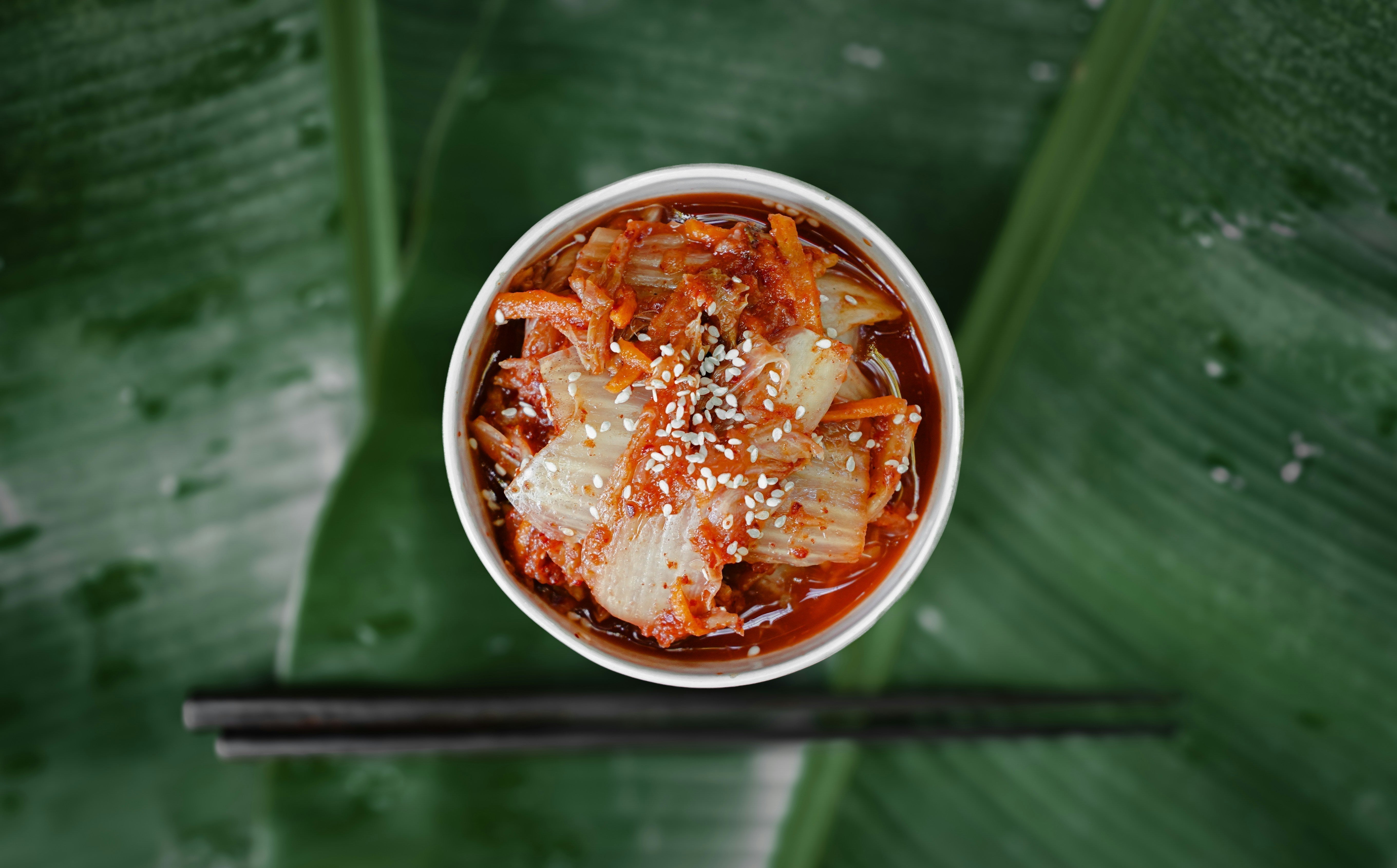
| Kimchi | Berries |
| Sauerkraut | Legumes (beans, lentils, chickpeas) |
| Miso | Oats |
| Tempeh | Peas |
| Kombucha | Asparagus |
| Cottage cheese (with cultures) | Apples (especially the skin) |
| Sourdough bread |
Resistant starch foods (cooled potatoes, rice, pasta) |
Synbiotic combinations
Foods that pair probiotics + prebiotics create a synbiotic effect. Easy ideas include:
- Yoghurt with banana
- Berries and oats
- Sourdough toast with hummus
- Kefir smoothie with berries
Probiotic supplements
For many people, it can be difficult to get a wide variety of probiotic strains through food alone. Supplements can offer a predictable daily source.
Strains commonly included in probiotic formulas include:
- Lactobacillus rhamnosus – supports microbial balance
- Bifidobacterium lactis – supports gut lining health
- Saccharomyces boulardii – supports healthy digestive function by restoring good gut flora after antibiotic use
Look for multi-strain formulas and follow storage directions for best results.
Other supplements that may support gut health
Zinc
Zinc plays a role in maintaining the integrity of the gut lining and supporting immune function.
Food sources include poultry, red meat, eggs, legumes, nuts and seeds.
Curcumin
Curcumin (from turmeric) is commonly used for antioxidant and gut-supportive benefits. It may help maintain a balanced environment for beneficial bacteria. Activated curcumin blends improve absorption.
The bottom line
Prebiotics and probiotics work together to support a healthier, more resilient gut. While food is a great foundation, supplements can be a simple way to top up your routine, especially during times of stress, travel or dietary change.
With Vitable, you can build daily vitamin packs tailored to your needs, including probiotics, zinc and activated curcumin. You can take the expert quiz today.
Last updated November 2025.


